
From First Lesson to Weekly Routine: How Tennis Becomes Part of Your Lifestyle
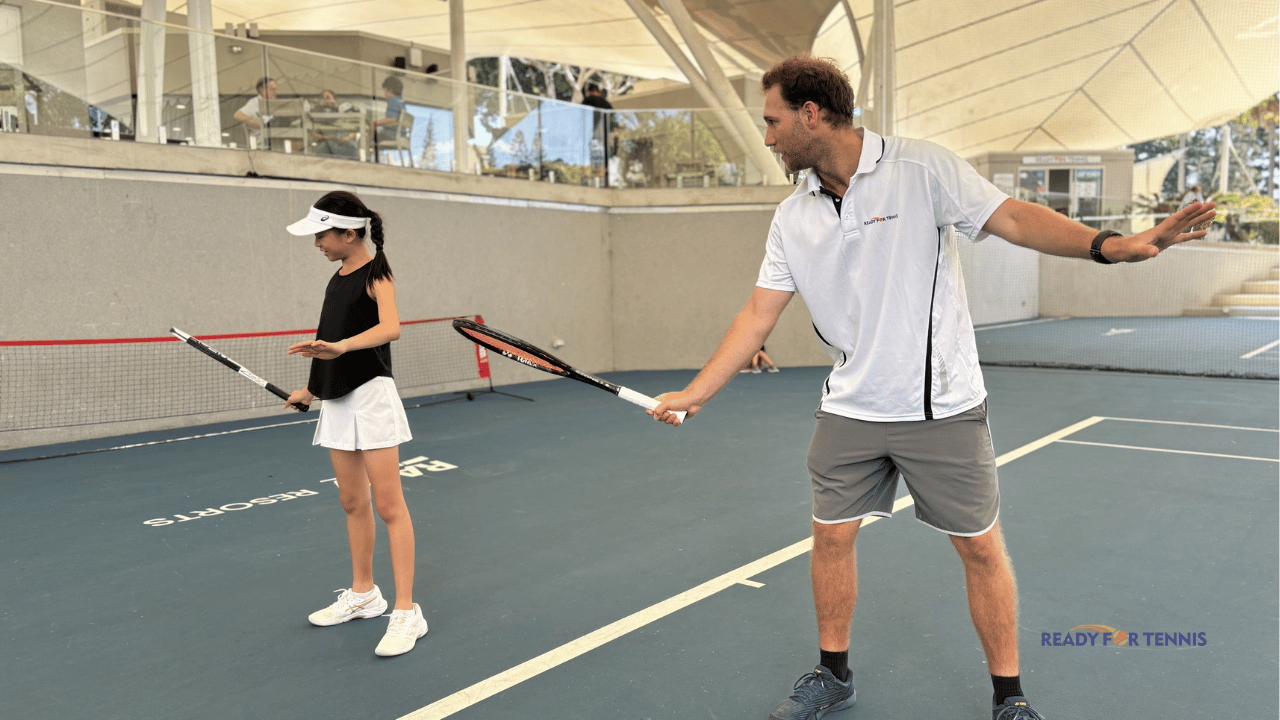
Sometimes tennis starts with one simple decision.
You book a trial lesson. You come along to a social night. You enrol your child for the term. You pick up a racquet again after years away from the game.
At first, it might feel like “just a session”.
But over time, something changes.
That one session becomes part of your week. You start to recognise the same faces. The court starts to feel familiar. The nerves settle. The shots improve. You begin to look forward to that hour where you can move, focus, laugh, compete, learn and switch off from everything else.
That is when tennis becomes more than a lesson.
It becomes a habit.
And over time, a good habit can become part of your lifestyle.
Why Weekly Movement Matters
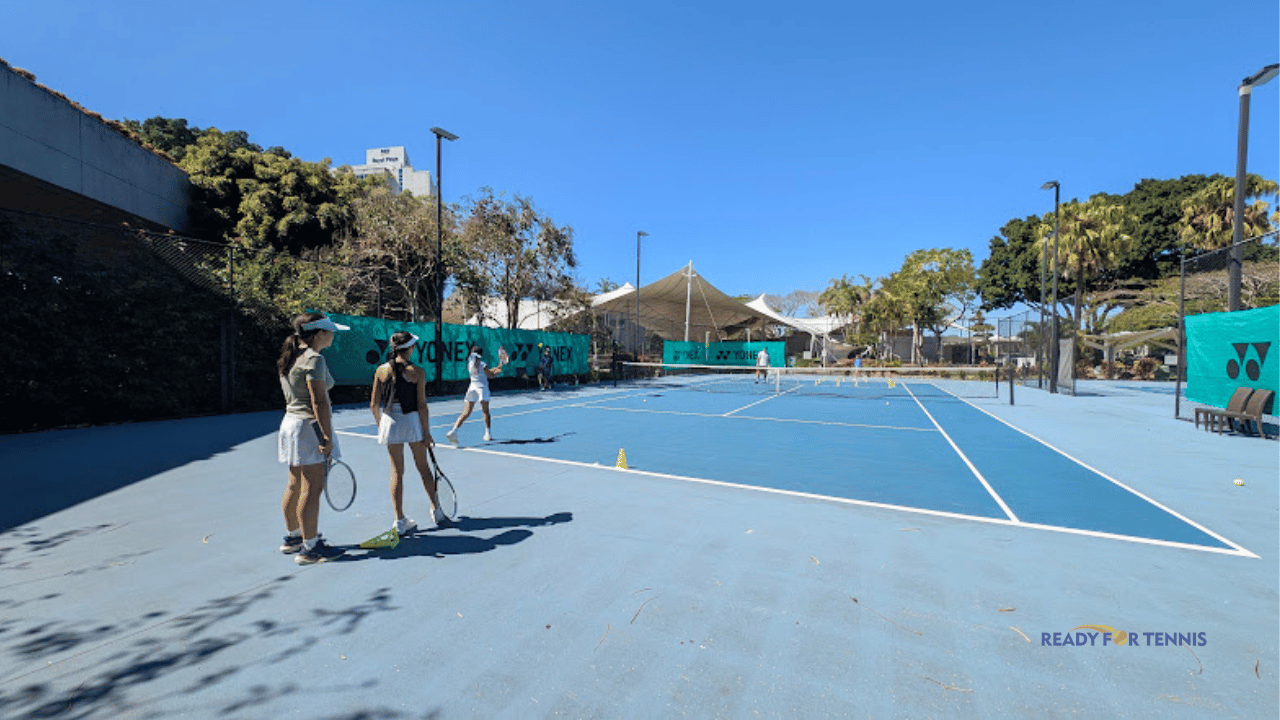
Across Australia, we know how important regular movement is for both children and adults.
The Australian Government recommends that children and young people aged 5 to 17 do at least 60 minutes of moderate to vigorous physical activity each day. This does not all have to happen in one go. Several shorter bursts of movement throughout the day can still help children build a healthy routine.
For adults aged 18 to 64, the Australian Government recommends being active most days, preferably every day. This includes 30 minutes or more of moderate to vigorous physical activity on most days, along with muscle-strengthening activities on at least two days each week.
That can sound like a lot when life is already full.
Between school, work, family routines, screen time, weather, traffic and everything else happening in a normal Gold Coast week, regular exercise can easily slip down the list.
That is why the right activity matters.
It needs to be something people enjoy enough to keep coming back to.
For many families and adults, tennis can be that activity.
Tennis Works Because It Fits Into Real Life
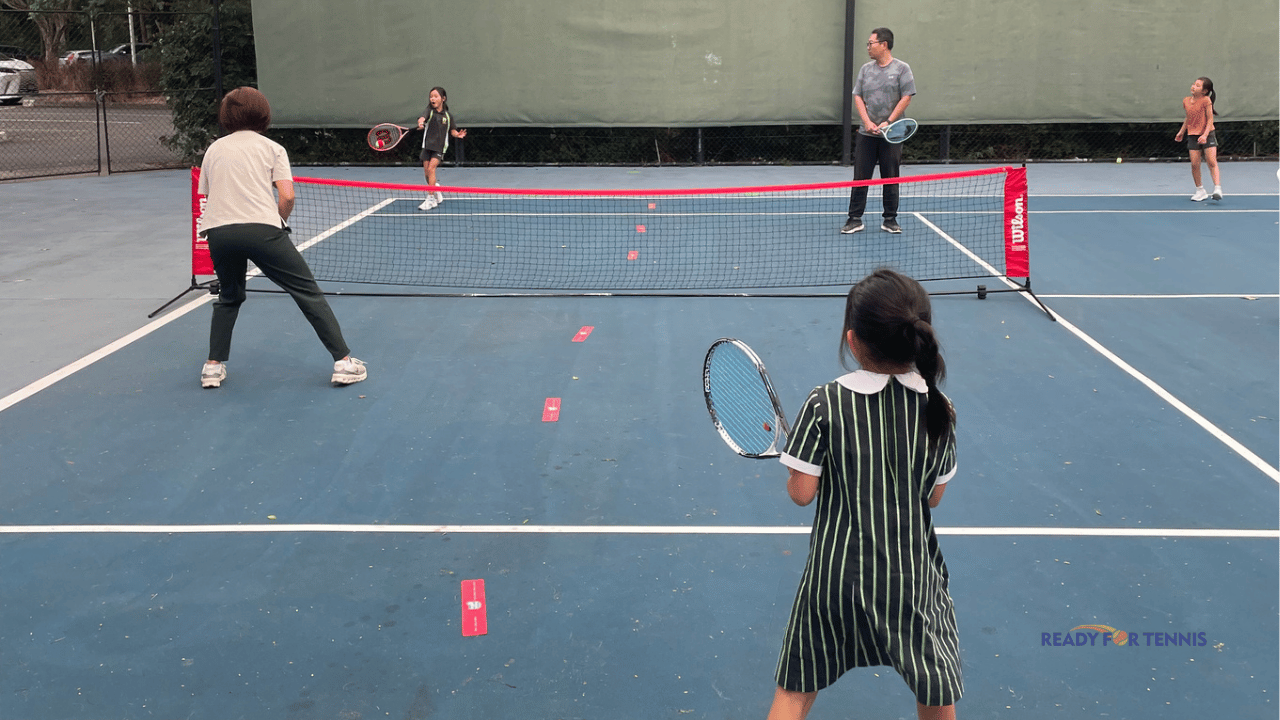
One of the best things about tennis is that it can meet you where you are.
For children, tennis can be playful, social and confidence-building. They can learn to rally, move, listen, take turns, problem-solve and keep trying after mistakes.
For teenagers, tennis can offer a healthy outlet away from screens and pressure. It gives them somewhere to move, connect with others and develop skills without everything needing to feel intense or performance-driven.
For adults, tennis can be a practical way to get moving again. You do not need to be at peak fitness. You do not need to have played for years. You do not need to know every rule before you start.
You just need to show up.
That is where the habit begins.
A weekly tennis session gives your routine structure. It becomes the thing you do on a certain day, at a certain time, with a familiar group of people.
And once something has a place in your week, it becomes much easier to keep going.
For Kids, Consistency Builds Confidence
Children do not need every session to be perfect to make progress.
In fact, most progress happens quietly.
It might be the first time they make contact with the ball more often. The first time they keep a rally going. The first time they serve over the net. The first time they recover after losing a point instead of giving up.
These are small wins, but they matter.
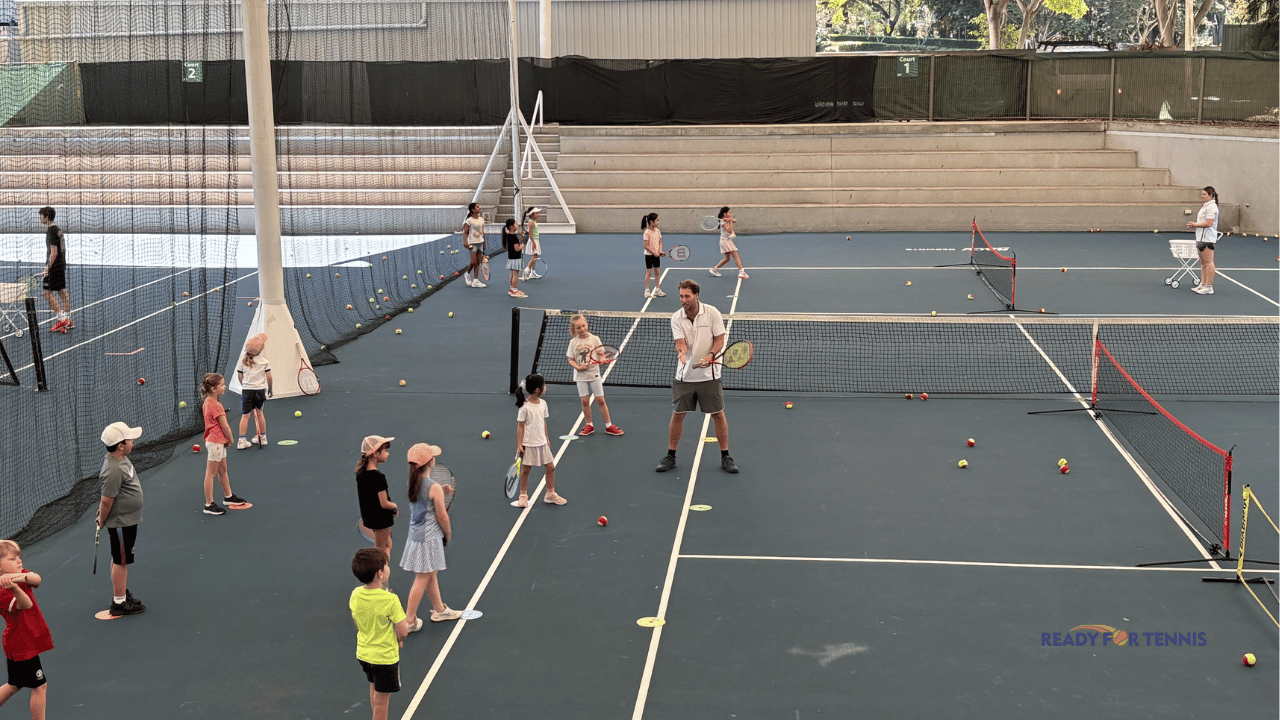
When children come back week after week, tennis becomes familiar. The court feels less intimidating. The coach becomes someone they trust. The other players become people they know. The movements, rules and games start to make sense.
That consistency helps build confidence.
Not just tennis confidence, but the kind of confidence that comes from sticking with something long enough to see yourself improve.
At Ready for Tennis, this is a big part of what we want for our junior players. We want them to enjoy being active, feel supported on court, and learn that improvement does not have to happen all at once.
It can happen one session at a time.
For Adults, Tennis Can Change the Feel of Your Week
For many adults, the hardest part is not the tennis.
It is starting.
It is making time. It is wondering if you are too rusty. It is feeling unsure about joining a new group. It is thinking everyone else might be better than you.
But once you get through that first session, tennis can quickly become something you look forward to.
It gives you movement without needing to go to the gym. It gives you social connection without needing to organise a big catch-up. It gives you competition if you want it, but it can also be relaxed, casual and fun.
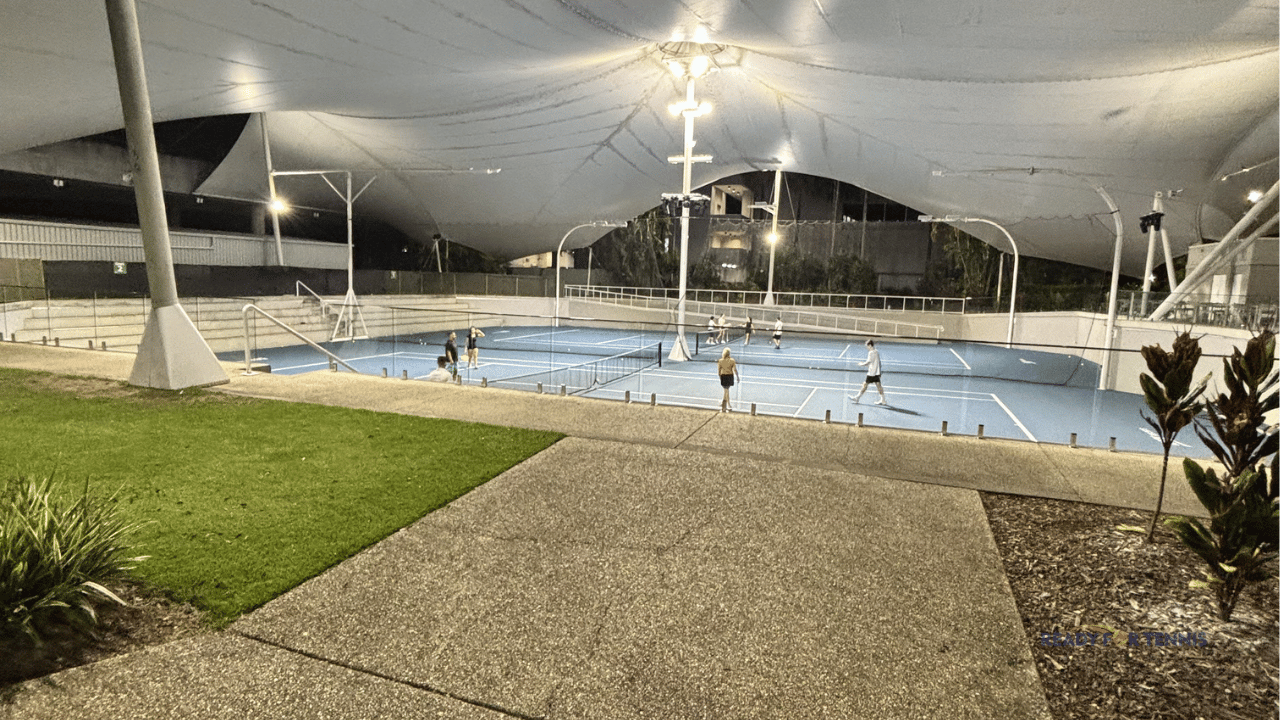
For adults on the Gold Coast, a regular tennis session can become a simple anchor in the week.
A chance to move your body.
A chance to switch off from work.
A chance to meet new people.
A chance to do something for yourself.
That is why adult tennis does not have to be about becoming the best player on court. It can be about building a healthier, more enjoyable weekly rhythm.
From Session to Habit
The quote based on this week's theme is:
“What starts as a session becomes a habit.”
That feels true for tennis.
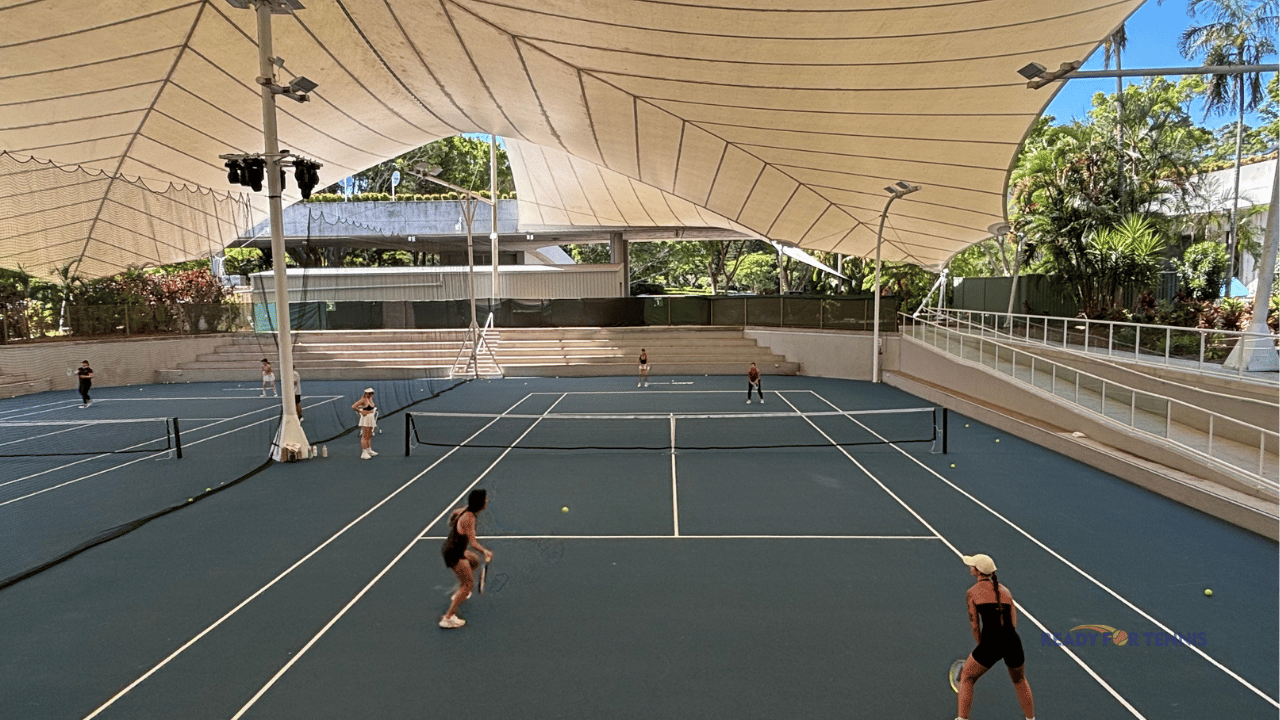
A child’s first lesson can become their weekly sport. A nervous adult beginner can become a regular player. A social night can become the part of the week someone looks forward to most. A few rallies can become a friendship. A small commitment can become a lifestyle.
The key is not perfection. It is consistency.
You do not need to play every day. You do not need to win every match. You do not need to improve every single week in a way that is obvious.
You just need to keep coming back.
That is where the benefits build.
Tennis as Part of the Ready for Tennis Community
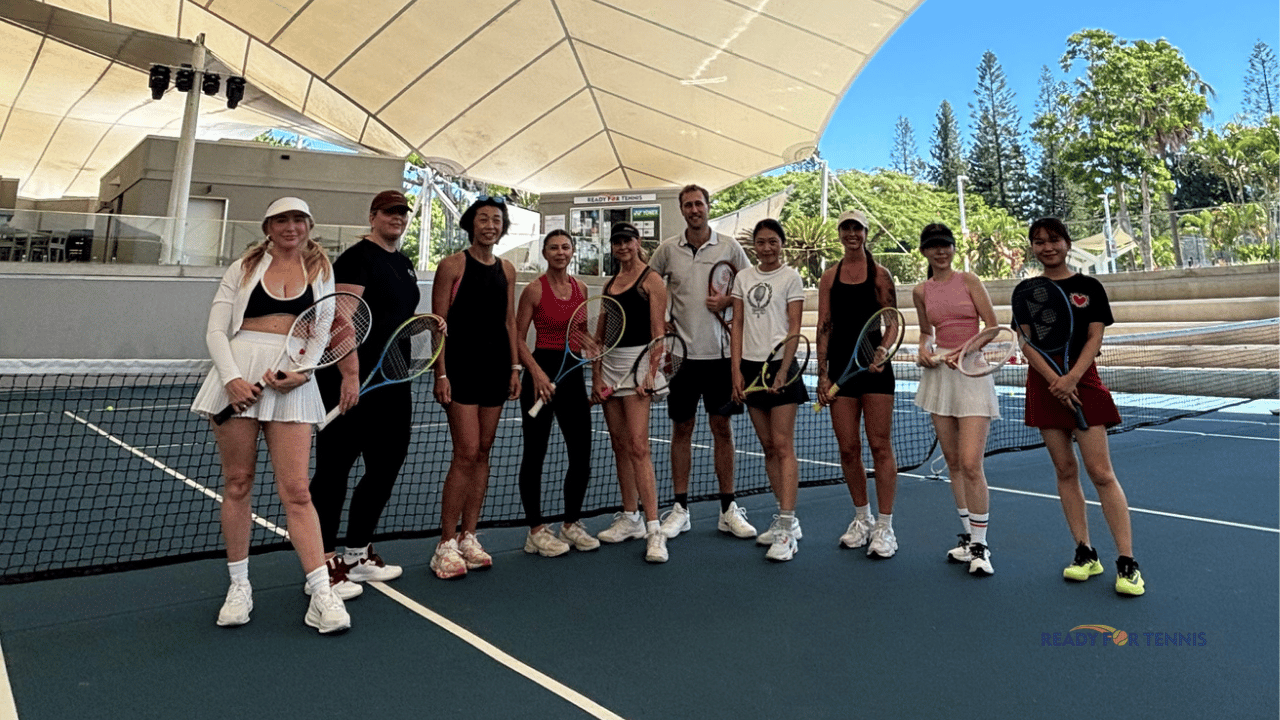
At Ready for Tennis, we see tennis as more than coaching.
Of course, we want players to improve their technique, build their game and feel more confident on court.
But we also want tennis to feel like something people can belong to.
For juniors, that means a place where they can learn, play, make friends and grow at their own pace.
For adults, it means sessions that feel welcoming, social and achievable, whether you are brand new, returning after a long break, or looking for more regular play.
For families, it means being part of a community where tennis becomes a positive part of the week.
Because when tennis becomes part of your routine, it gives you more than a skill.
It gives you movement.
It gives you connection.
It gives you confidence.
It gives you something to come back to.
And that is how tennis becomes part of your lifestyle.

Ready to Make Tennis Part of Your Week?
Whether you are booking your child into lessons, joining an adult session, coming along to social tennis, or getting back on court after years away, you do not need to have it all figured out before you start.
Start with one session.
Let that session become a habit.
And let the habit become something you look forward to each week.