
How Tennis Helps Kids and Adults Handle Pressure
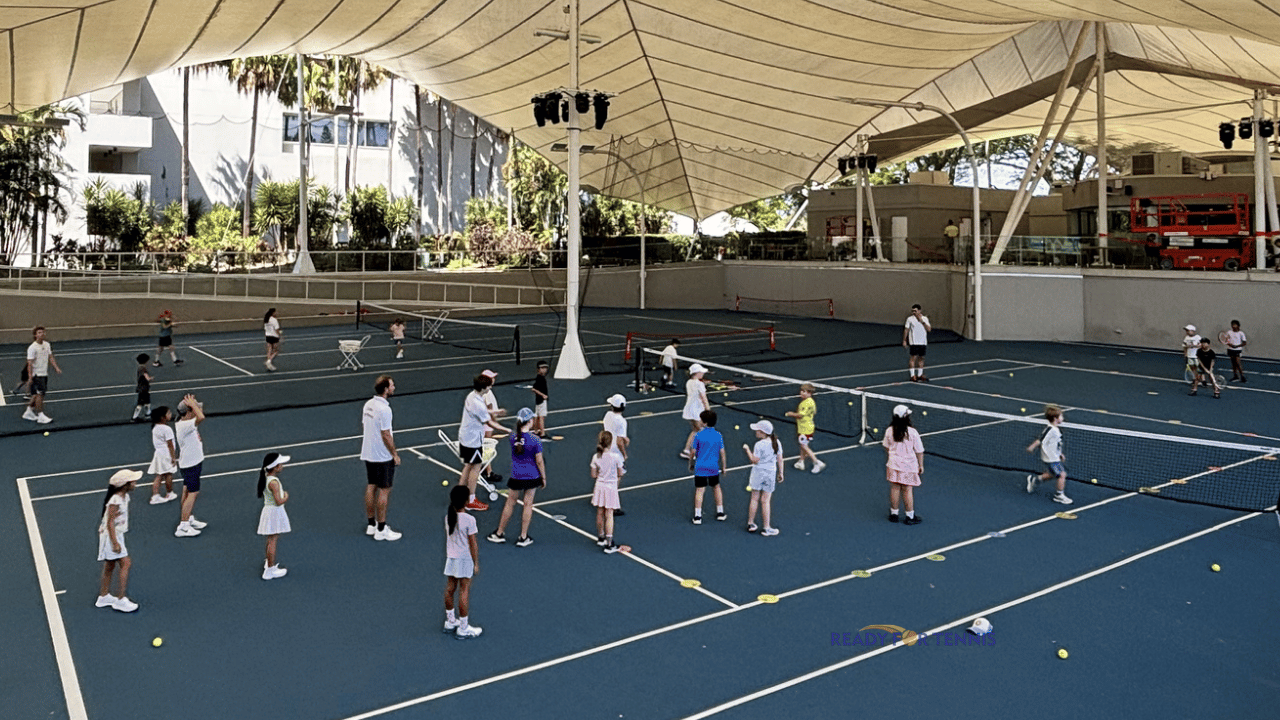
Pressure looks different for every player.
For some children, it shows up as nerves before a first lesson. For others, it looks like frustration when they miss a shot, hesitation when they are unsure what to do, or tears when things feel too hard.
For adults, pressure can look like self-judgement. It can sound like, “I’m not fit enough,” “I haven’t played in years,” or “I’ll probably embarrass myself.”
But tennis does not have to add more pressure.
When coached well, tennis can become the opposite. It can be a space to breathe, move, reset and learn. A place where children and adults can step in without needing to be perfect. A place where pressure is not removed completely, but experienced in a healthy, manageable way.
That is one of the reasons tennis can be so valuable.
Because every time a player steps on court, they are not just learning how to hit a ball. They are learning how to manage emotions, handle mistakes, keep going, and build confidence one point at a time.

What Pressure Can Look Like for Juniors
Children experience pressure in different ways depending on their age, stage and personality.
Some pressure comes from school. Some comes from home routines, expectations, friendships, screens or simply trying to keep up with a busy week.
This is why junior tennis lessons on the Gold Coast can be about much more than technique. Tennis gives children a healthy space to move their body, express energy, connect with others and practise handling small moments of challenge in real time.
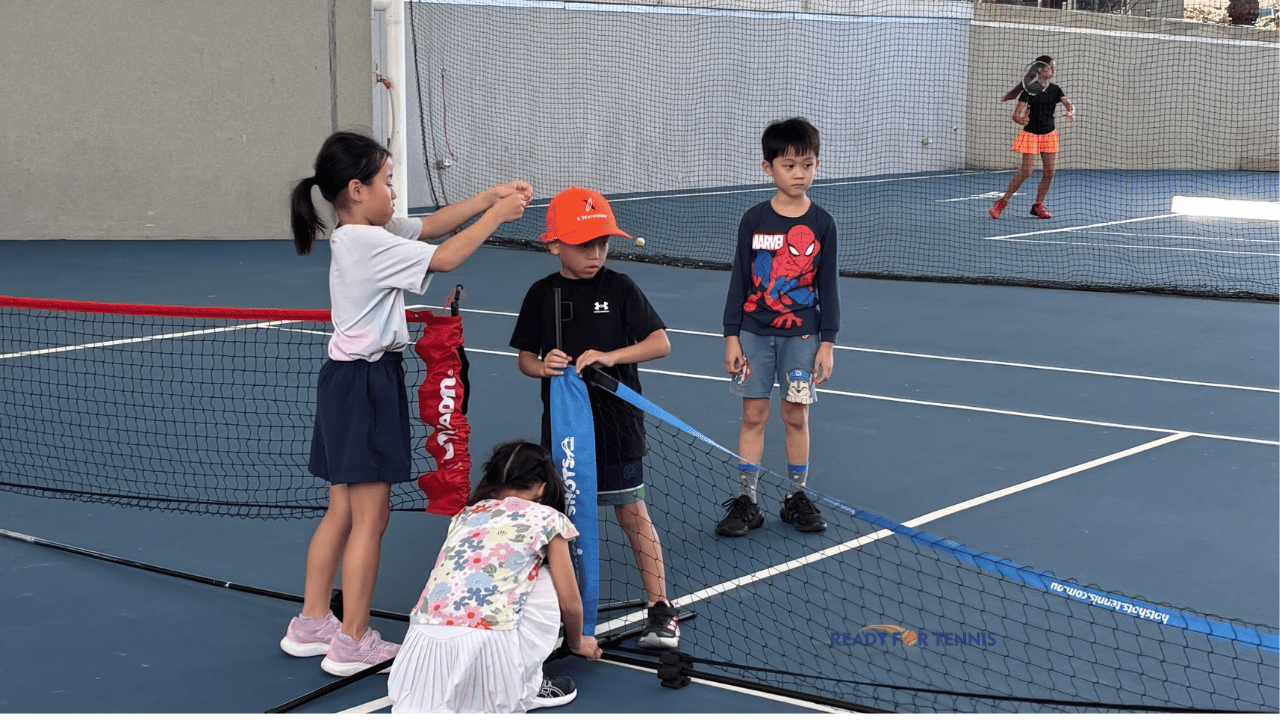
Ages 5 to 7: Learning to Feel Safe and Have a Go
For younger children, pressure often feels big because everything is new.
A new coach.
A new group.
A new activity.
A new environment.
At this age, pressure may look like clinging to a parent, not wanting to join in, getting upset quickly, or feeling unsure about trying something unfamiliar.
That is why tennis for 5 to 7 year olds needs to feel playful, simple and encouraging. The goal is not perfect forehands or technical detail. The goal is to help the child feel safe enough to participate.
At this age, a great tennis session might mean hitting a few balls, running around, laughing, playing games and walking off court feeling proud. These small wins help children realise that tennis is something they can enjoy.
That feeling matters.
Because when children feel safe, they are more willing to try. And when they are willing to try, confidence begins to grow.
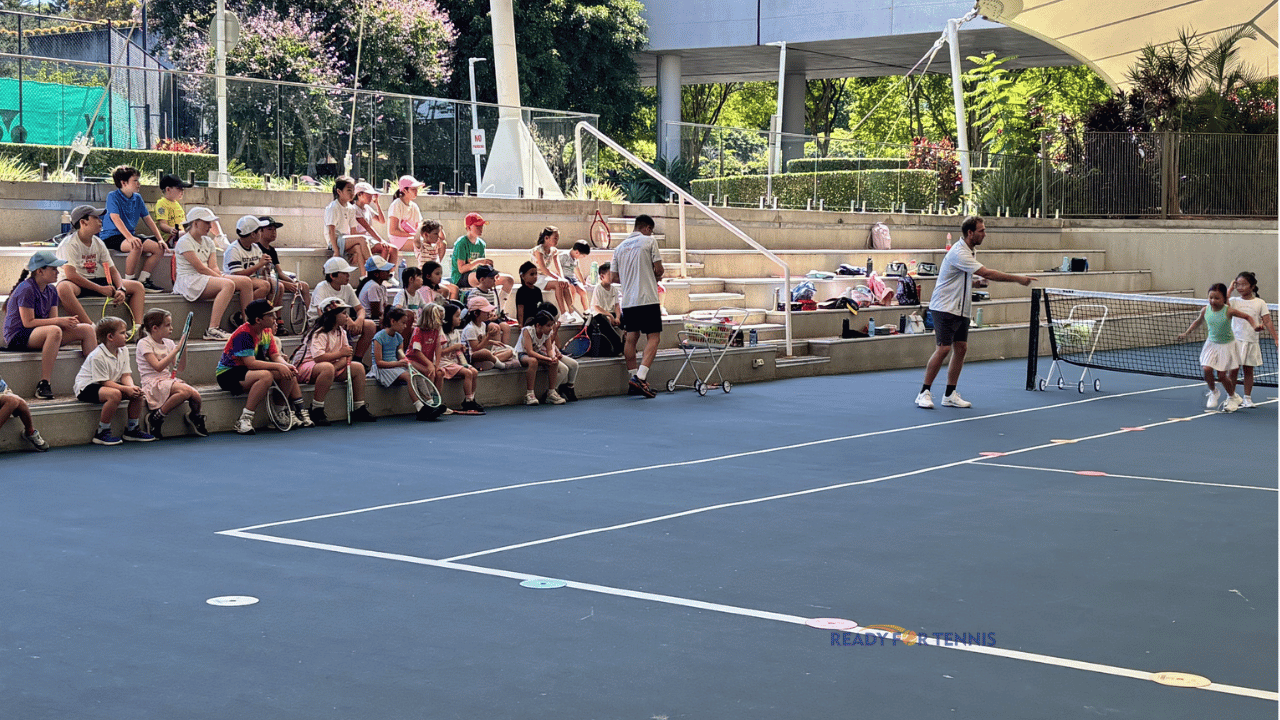
Ages 8 to 10: Learning That Mistakes Are Part of Progress
Between 8 and 10 years old, children often become more aware of how they compare to others.
They may start noticing who hits harder, who wins more, who gets praised, or who seems to learn faster.
Pressure at this age can look like frustration, perfectionism, giving up too quickly, or saying things like, “I’m bad at this.”
This is where tennis becomes a powerful teaching space.
In tennis, mistakes happen constantly. You miss shots. You hit the net. You lose points. You try again.
That rhythm helps children learn that mistakes are not the end of the story. They are part of the game.
A good coaching environment helps children understand that effort, focus and attitude matter just as much as the result. This supports emotional resilience and helps players build confidence through progress, not perfection.
For parents looking for supportive junior tennis lessons on the Gold Coast, this stage is a great time to help children build skills while also learning how to manage the ups and downs of sport.
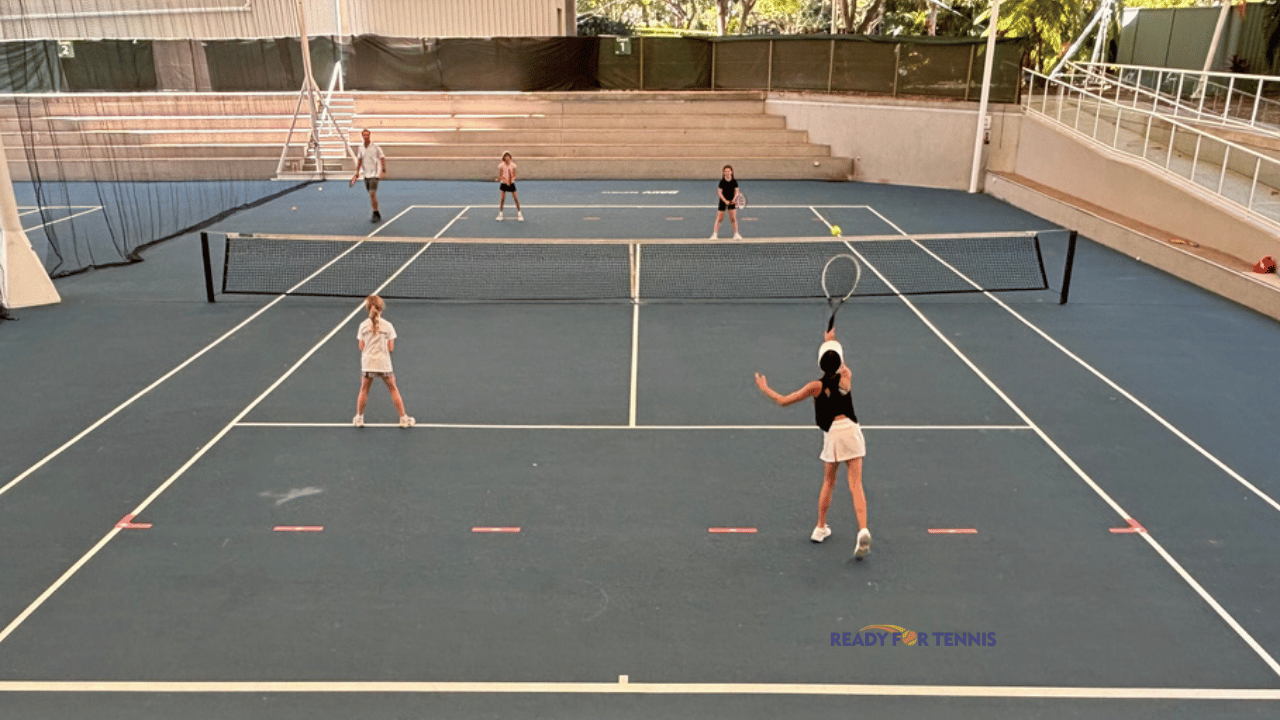
Ages 11 to 13: Learning to Belong and Regulate Emotions
The 11 to 13 age group can be a big transition period.
Children are often dealing with more social pressure, changing friendships, school expectations and growing self-awareness.
They may care more about what others think. They may become more sensitive to embarrassment or failure.
In tennis, this can show up as frustration, self-consciousness, emotional outbursts, withdrawal or fear of being judged. This is where the social and emotional side of tennis becomes just as important as the physical side.
Tennis gives children a structured space outside school and home where they can move, connect and reset. It gives them a place to experience challenge, but with support around them.
They learn how to breathe after a mistake.
How to stay calm under pressure.
How to encourage a partner.
How to keep going after losing a point.
How to be part of a group.
These are not just tennis skills. They are life skills.
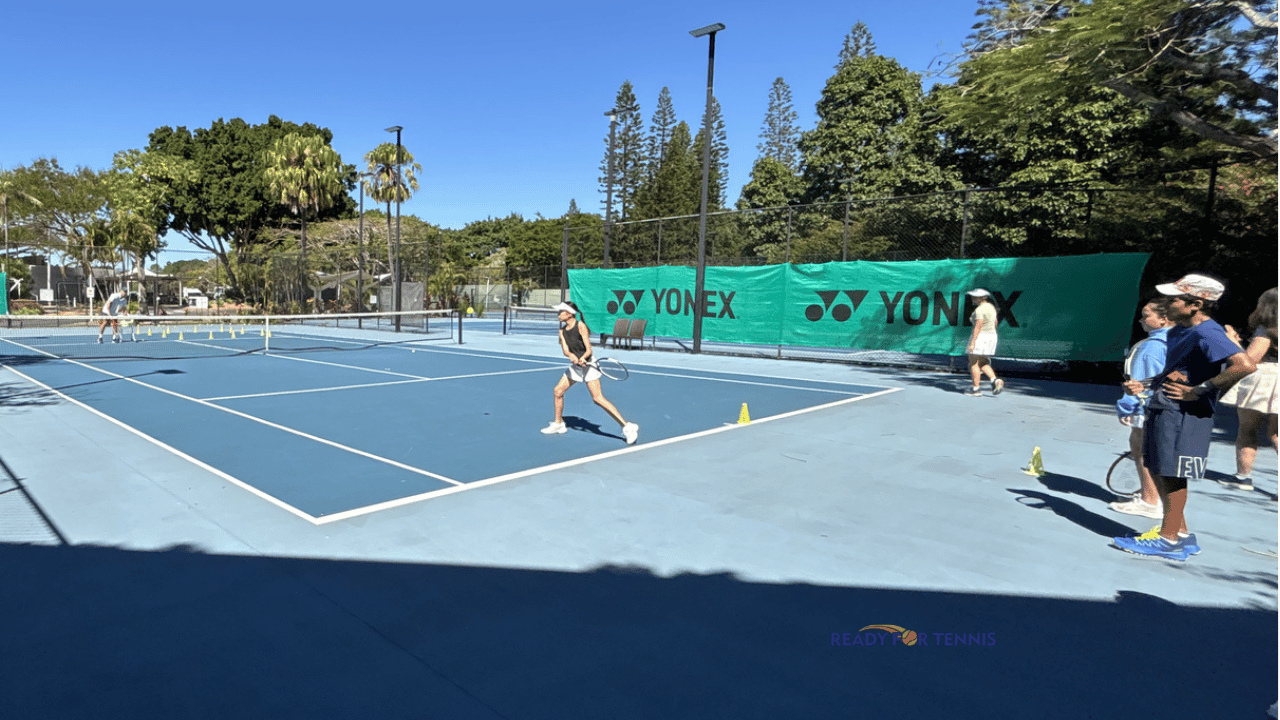
Ages 13 to 16: Learning to Handle Pressure Without Being Defined by It
Teenagers often carry more pressure than they let on.
School demands increase with major assessments and exams. Social pressure becomes more complex. Screens and comparison are constant. Many teenagers are also trying to work out who they are, where they fit, and what they are good at. Some teens in their later years, may even be working their first job while managing everything else.
For some teens, sport can become another source of pressure. But it can also become a healthy outlet.
Tennis can give teenagers a break from mental noise. It gets them moving. It gives them something physical to focus on. It teaches them how to respond to pressure without being controlled by it.
A tough rally.
A close game.
A frustrating mistake.
A comeback after falling behind.
These moments help teenagers practise resilience in a practical way.
They learn that pressure is not always something to avoid. Sometimes it is something they can move through, breathe through and grow through.
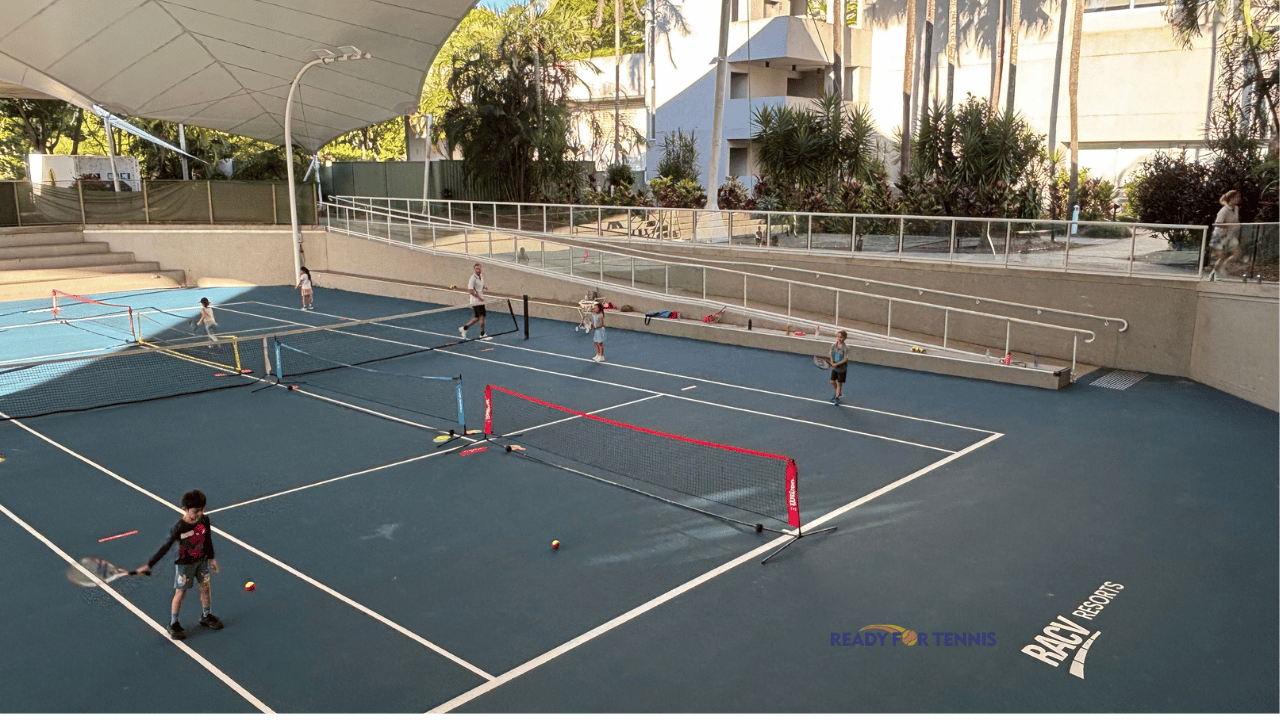
Why Tennis Gives Kids a Space to Breathe
Tennis supports children because it combines movement, focus, connection and challenge.
It allows emotions to move through the body instead of staying bottled up. It teaches children how to reset after frustration. It helps them build confidence through small, repeated wins.
Most importantly, tennis can give children a place where they do not have to be perfect.
They just have to show up, try, learn and keep going.
That is why the first session matters so much. When a child feels welcome from the beginning, tennis becomes something they want to return to.
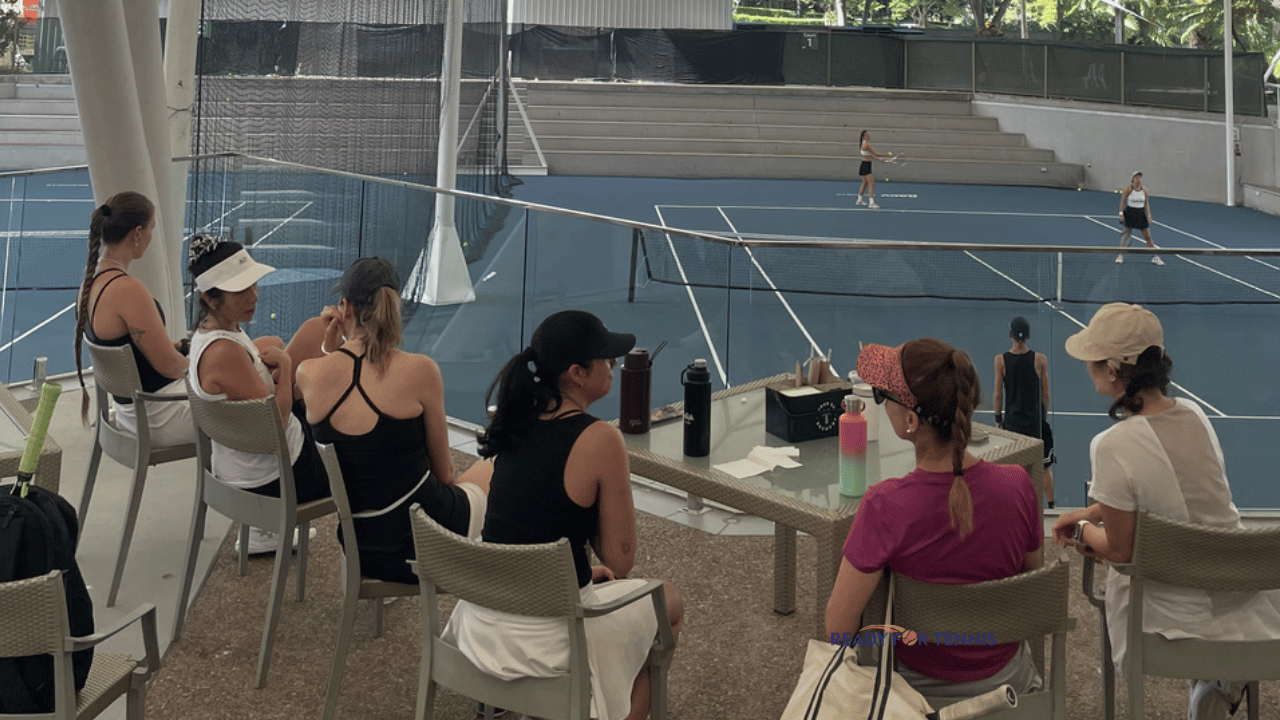
What Adults Can Learn from Tennis
For adults, tennis offers a different kind of benefit.
Yes, it improves fitness, coordination and movement. But adult tennis coaching can also teach powerful lessons that carry into everyday life.
Many adults spend their week managing work, family, responsibilities and pressure. Tennis gives them a place to step out of that mental load and focus on the next ball.
For adults interested in adult tennis coaching on the Gold Coast, the court can become a place to rebuild confidence, learn something new and reconnect with the joy of playing.
Here are five things adults can learn on the tennis court.
1. Boundaries
Tennis teaches you when to push and when to reset.
You learn that trying harder is not always the answer. Sometimes you need to slow down, breathe, adjust your position or change your approach.
That lesson applies beyond tennis. Adults can learn to notice when they are forcing, rushing or being too hard on themselves.
2. Seeing Something Through
Progress in tennis takes time.
You do not master everything in one session. You improve through repetition, patience and consistency.
For adults, this is a great reminder that meaningful progress often comes from continuing, even when improvement feels slow.
3. Managing Ups and Downs
Tennis is full of momentum shifts.
You can hit a great shot, then miss the next one. You can lose a point and still win the game. You can have a difficult session and come back better next week.
This helps adults practise emotional flexibility. One mistake does not define the whole experience.
4. Building Resilience
Every tennis session gives you a chance to try, miss, adjust and try again.
That process builds resilience in a very practical way. You learn that setbacks are not failures. They are feedback.
5. Being Present
Tennis brings you into the moment.
You have to watch the ball, move your feet, respond to your opponent and make decisions quickly. That focus can be a welcome break from the constant noise of daily life.
For many adults, tennis becomes not just exercise, but a reset.
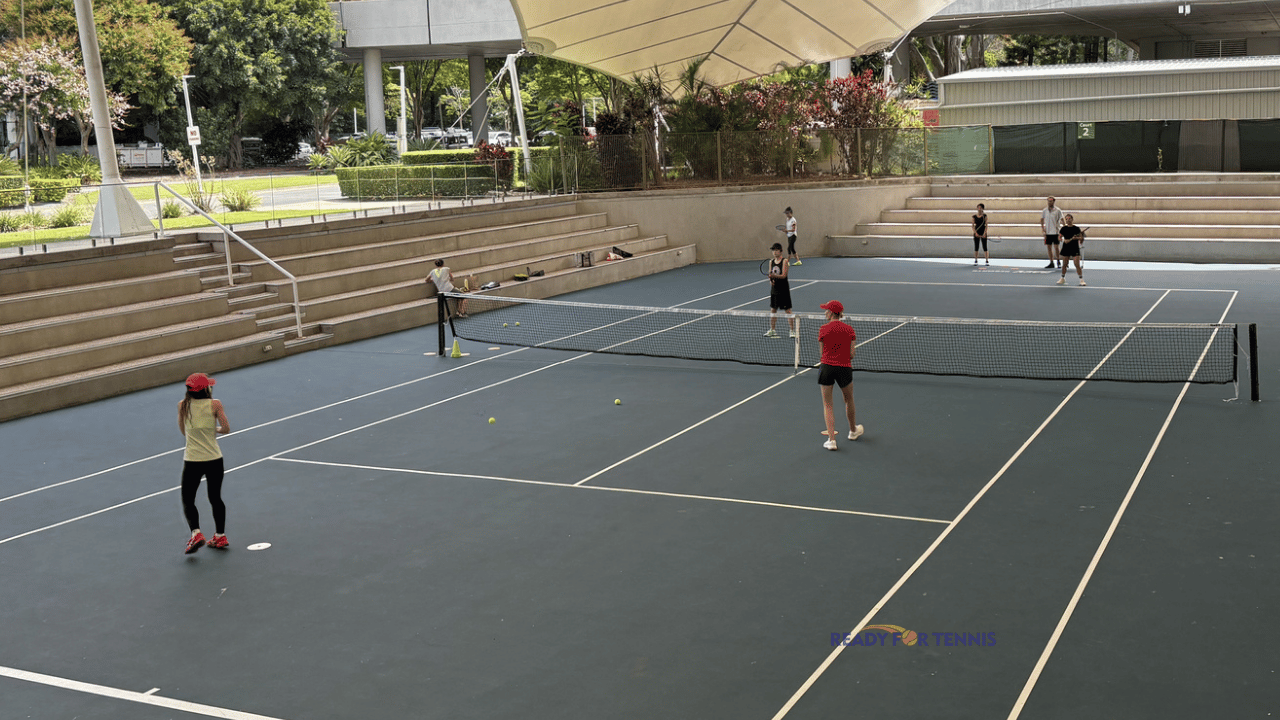
The Holistic Benefits of Tennis
Tennis is more than a sport.
For juniors, it can support confidence, emotional regulation, resilience, coordination and belonging.
For adults, it can create space for movement, connection, boundaries, presence and personal growth.
When players are given permission to step in without pressure, tennis becomes more accessible. It becomes less about being perfect and more about having a go.
And that is where the real benefit begins.
Because sometimes the biggest win is not the shot you hit.
It is the feeling you leave with.
If you or your child would like to try tennis in a supportive and welcoming environment, book a trial tennis lesson on the Gold Coast with Ready for Tennis.