
Why Tennis Is Good for Young Minds as Well as Growing Bodies
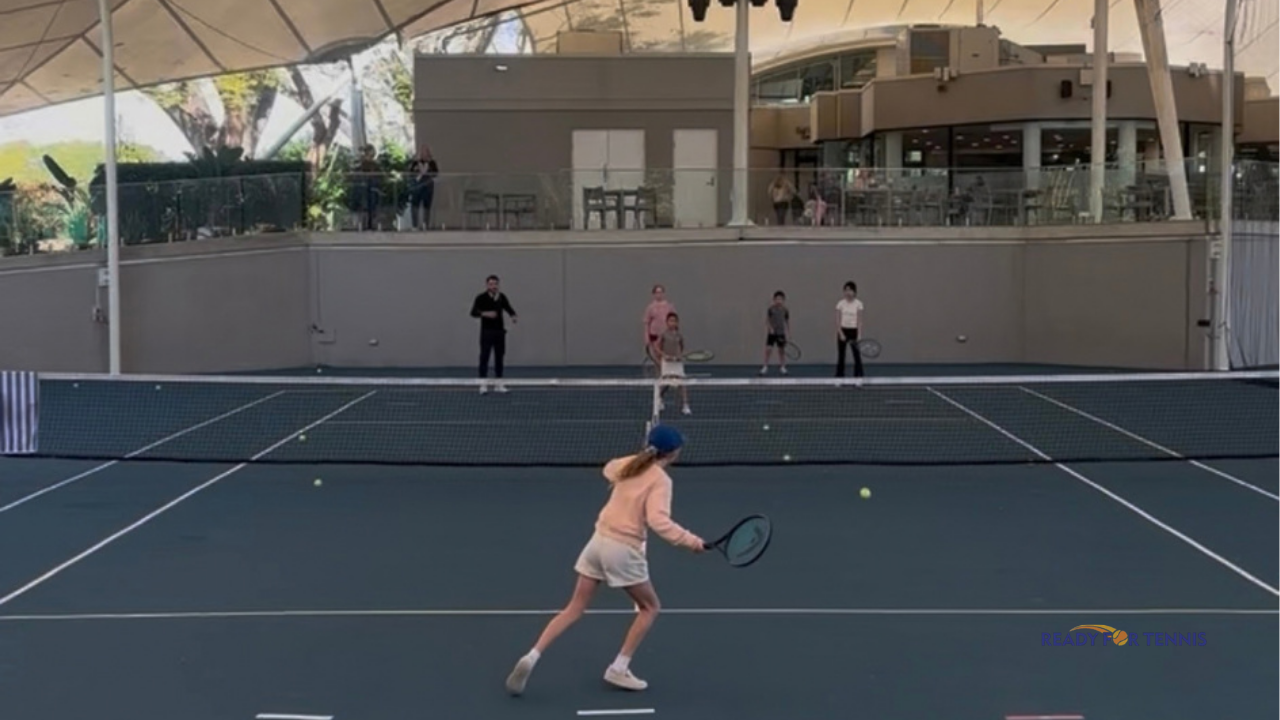
As Term 4 begins, families are returning to school, sport and weekly routines. Children are moving from holiday freedom back into organised activities and expectations.
Tennis offers something valuable within that adjustment. It gets children moving, but it also asks them to pay attention, make decisions, manage frustration, connect with others and try again.
The value of tennis therefore reaches beyond learning a forehand or improving fitness. Every lesson can offer opportunities to develop physically, socially, emotionally and mentally.
Tennis keeps the mind involved
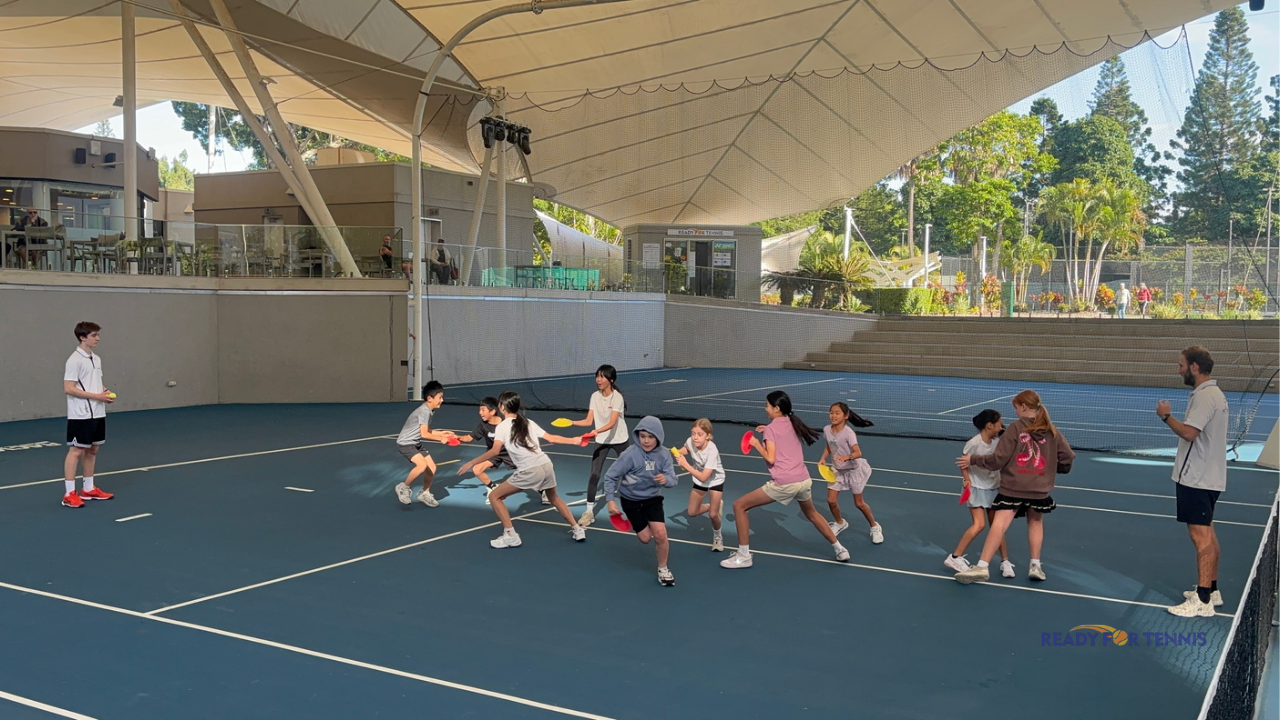
A tennis court is constantly changing. The ball arrives at a different height, speed and direction. A child has to notice what is happening, move into position and choose how to respond.
This means tennis is not simply repetitive exercise. It combines movement with attention and problem-solving. Even a short rally asks a player to track the ball, judge distance, adjust their feet and prepare for what might happen next.
The Australian Sports Commission describes physical literacy as the skills, knowledge and behaviours that give people the confidence and motivation to remain active. Its framework includes physical, cognitive, psychological and social development, showing that movement and learning are closely connected.
For children, this can look very simple. They begin to recognise where the ball is going. They learn that changing their position changes the result. They discover that slowing down can sometimes help them play better.
Every point offers a chance to reset
Tennis also gives children regular experience of things not going to plan.
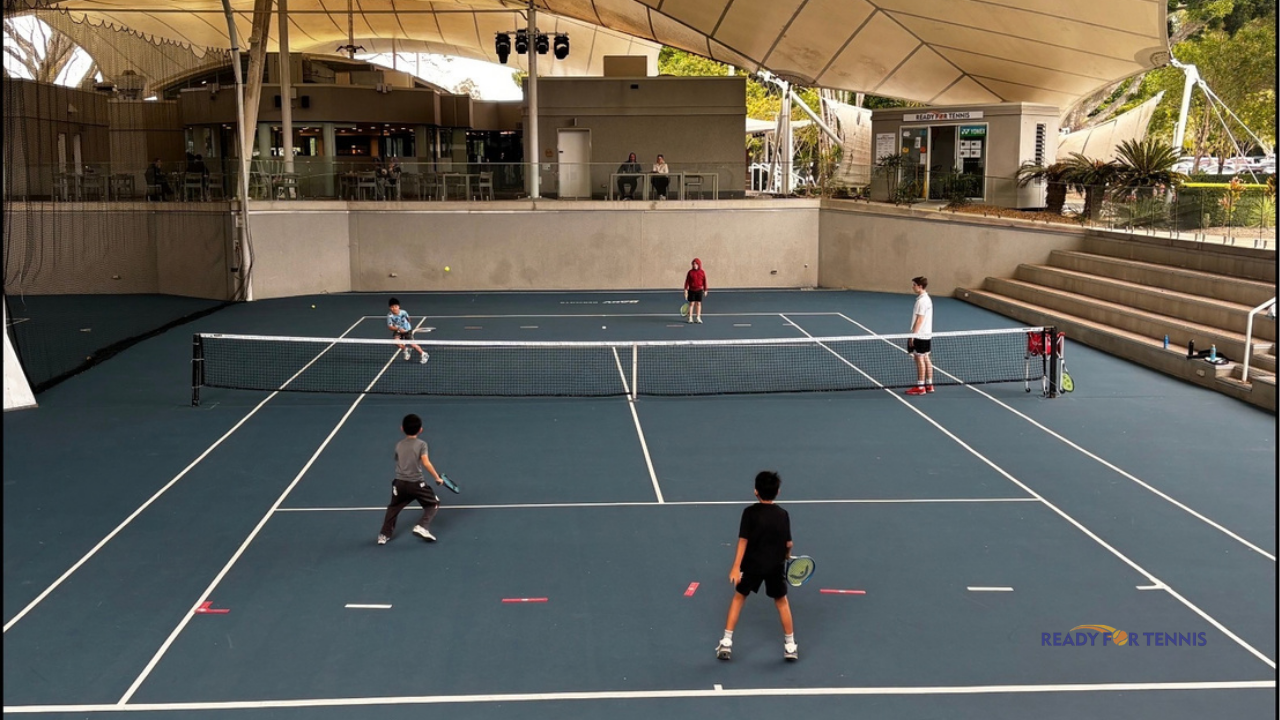
A serve misses. A rally ends. A ball they expected to reach gets past them. Then, usually within a few seconds, another point or activity begins.
That pattern creates a practical opportunity to work on emotional recovery. Children can learn to acknowledge disappointment, refocus their attention and have another attempt.
The goal is not to stop them feeling frustrated. It is to help them discover that one difficult moment does not have to decide what happens next.
The Australian Sports Commission includes emotional self-regulation, confidence, motivation, engagement and enjoyment within the psychological side of physical literacy. These qualities develop gradually through positive movement experiences, not through pressure to perform perfectly.

Confidence grows when the challenge fits
Children are more likely to enjoy learning when they can participate successfully while still being challenged.
This is one reason modified equipment matters.
Tennis Australia explains that smaller courts, lower nets and lower-compression balls allow children to develop age-appropriate skills earlier. Instead of waiting until they are big or strong enough for the full version of the game, they can begin rallying, solving problems and experiencing progress now.
Those early wins do not need to be dramatic. More consistent contact or one extra shot in a rally can build a child’s belief that improvement is possible.
Confidence is not created by telling children they are good at everything. It grows when they experience a manageable challenge, put in effort and notice that they can learn.
Connection is part of the benefit
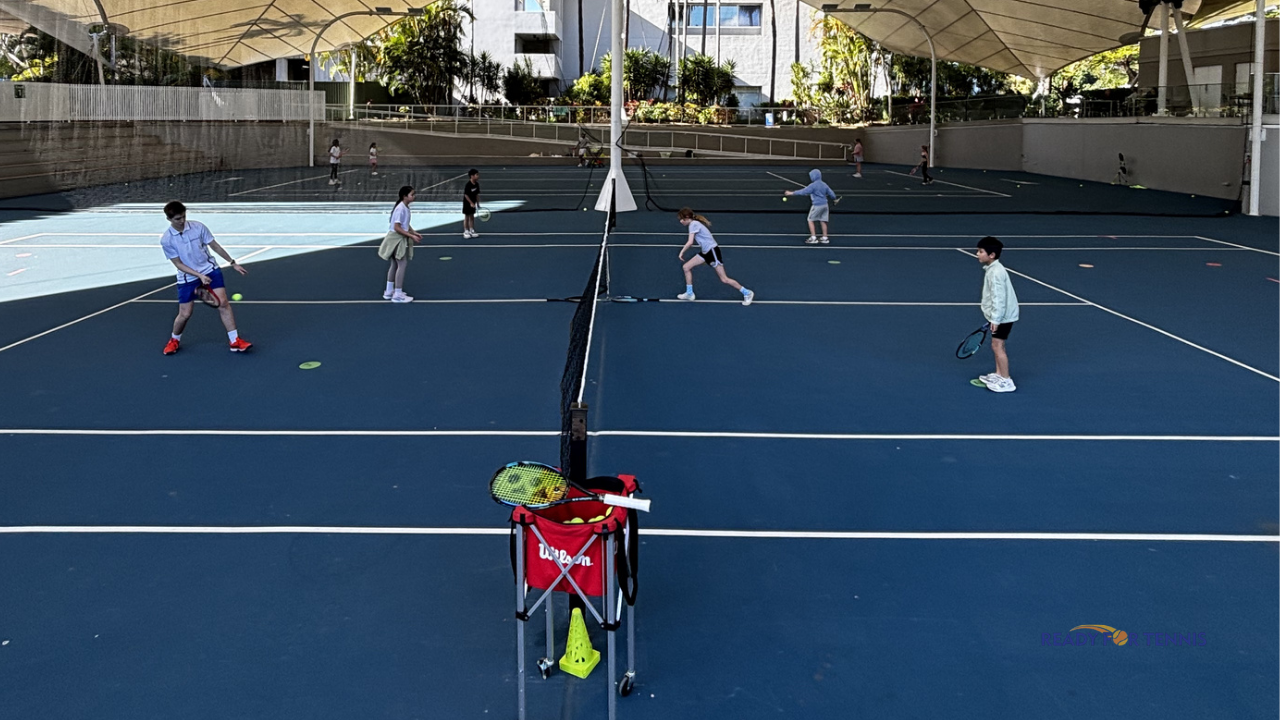
Tennis may place players on opposite sides of a net, but learning the game is deeply social.
Children practise taking turns, listening to instructions, working with a partner and responding respectfully when someone else makes a mistake. They learn that their energy and behaviour affect the experience of the group.
That sense of connection matters for adults too.
The Gold Coast Health Promotion service describes the city as having a strong active and healthy identity and connects residents with programs that support health and wellbeing. Local activity is not only about exercise. It can also create routine, belonging and reasons for people to spend time together.
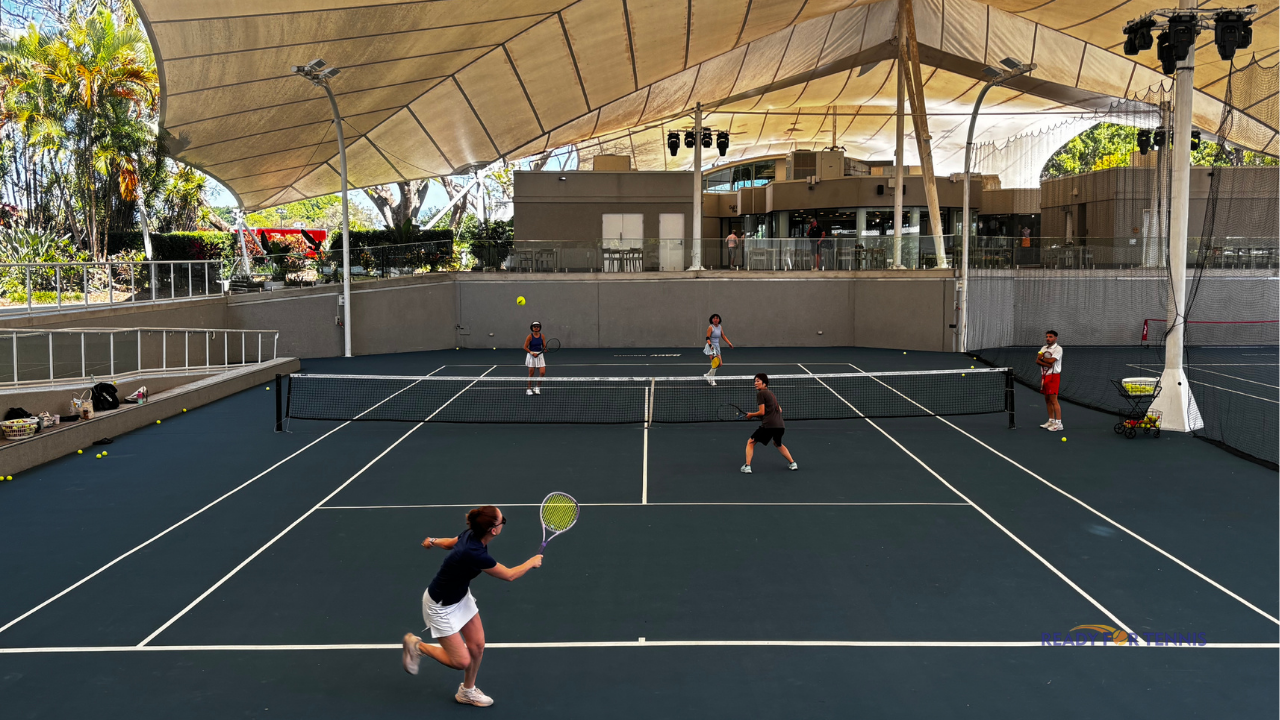
Adults benefit from getting back into movement
For adults, tennis offers a flexible way to become more active.
A session can be social or competitive, relaxed or physically demanding. It can involve structured coaching, doubles with friends or simply hitting a ball with someone at a similar level.
Australian Government movement guidance encourages adults to replace sedentary time with physical activity. The International Tennis Federation also highlights the aerobic, cardiovascular, bone and broader health benefits associated with regular tennis participation.
The important word is regular.
One exhausting session is less useful than finding a form of movement you enjoy enough to return to. Tennis combines physical effort with skill, variety and social contact, which can make it feel different from exercise completed only because it is on a list.
What this means at Ready for Tennis
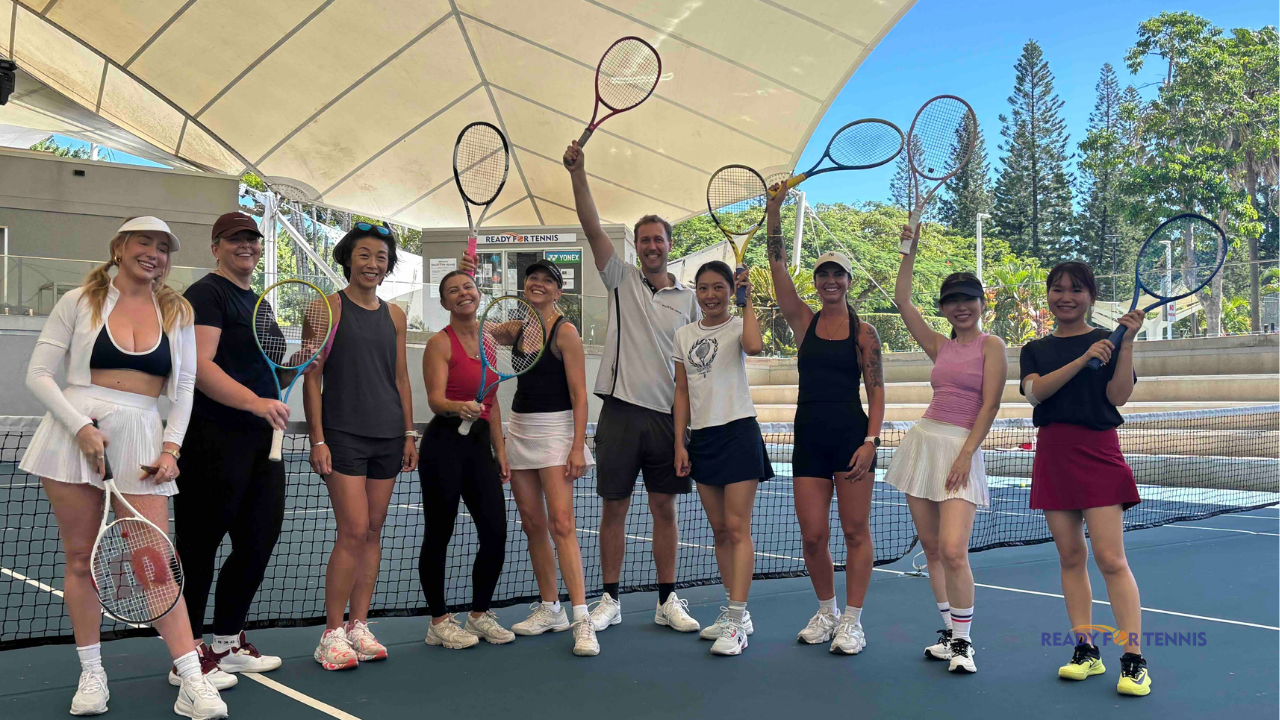
At Ready for Tennis, we want children and adults to develop their game, but we also want them to enjoy the process of learning.
For juniors, that means activities that keep them moving, thinking and involved. It means appropriate equipment, achievable challenges and room to make mistakes.
For adults, it means welcoming sessions where people can improve, connect and participate at a level that works for them.
As we begin Term 4 and build towards summer, the invitation is simple.
Get back onto the court. Give yourself or your child time to settle in. Notice the small changes as well as the obvious ones.
The growing body is only part of the story.
Tennis also gives the mind somewhere positive to practise focusing, adapting, connecting and beginning again.