
Why Consistency Matters More Than Talent

If you ask parents what they want for their child in tennis, the answers are usually quite similar. "I'd love them to enjoy it.", "I'd love them to build confidence.","I'd love them to keep improving."
It's that last one that often leads to the biggest question:
"How do children actually improve at tennis?"
Many people assume the answer is talent.
As coaches, we often see something different.
The players who continue improving over time aren't always the most naturally gifted.
More often than not, they're the players who keep showing up.
They build good habits.
They stay curious.
They enjoy learning.
That's because improvement in tennis isn't usually built through one amazing lesson or one incredible shot.
It's built through consistency.

What does consistency mean in tennis?
When most people hear the word consistency, they immediately think about keeping the ball in play.
That's certainly part of it.
In fact, the ability to keep more balls in the court than your opponent is one of the biggest reasons players win matches. As the team at HEAD explains in their guide to consistency, the most consistent player often applies pressure simply by making their opponent play one more shot.
But consistency means much more than that.
At Ready for Tennis, consistency also means:
- turning up each week
- practising the fundamentals
- listening and learning
- trying again after mistakes
- building routines
- trusting the process
These habits are what allow tennis skills to develop over time.
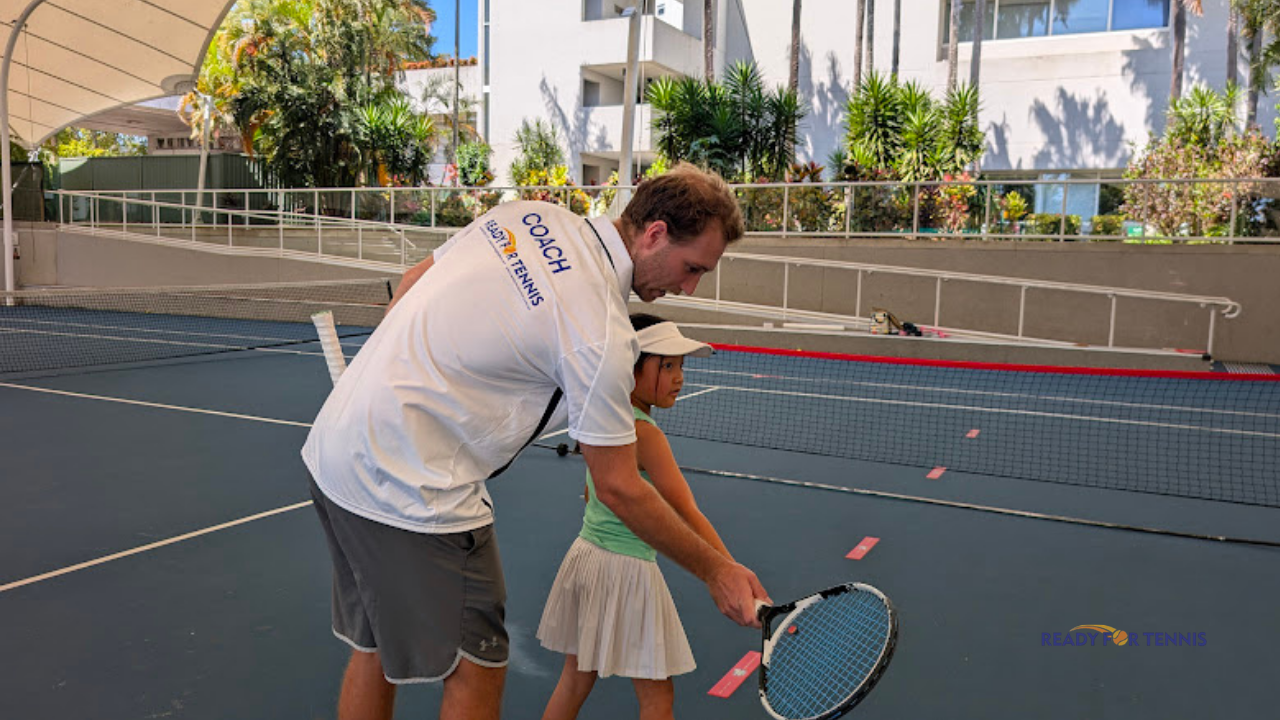
Tennis improvement happens one lesson at a time
Parents sometimes expect improvement to happen in a straight line.
- One lesson.
- A little better.
- Another lesson.
- A little better again.
Children don't usually learn that way.
Some weeks it feels like everything clicks.
Other weeks they may seem to go backwards.
Then, almost unexpectedly, a skill suddenly becomes natural.
This is a normal part of learning.
Children are constantly developing physically, mentally and emotionally.
Growth spurts, coordination, confidence and concentration all influence how quickly new skills develop.
One lesson rarely tells the whole story.
What matters is continuing to build experience over time.
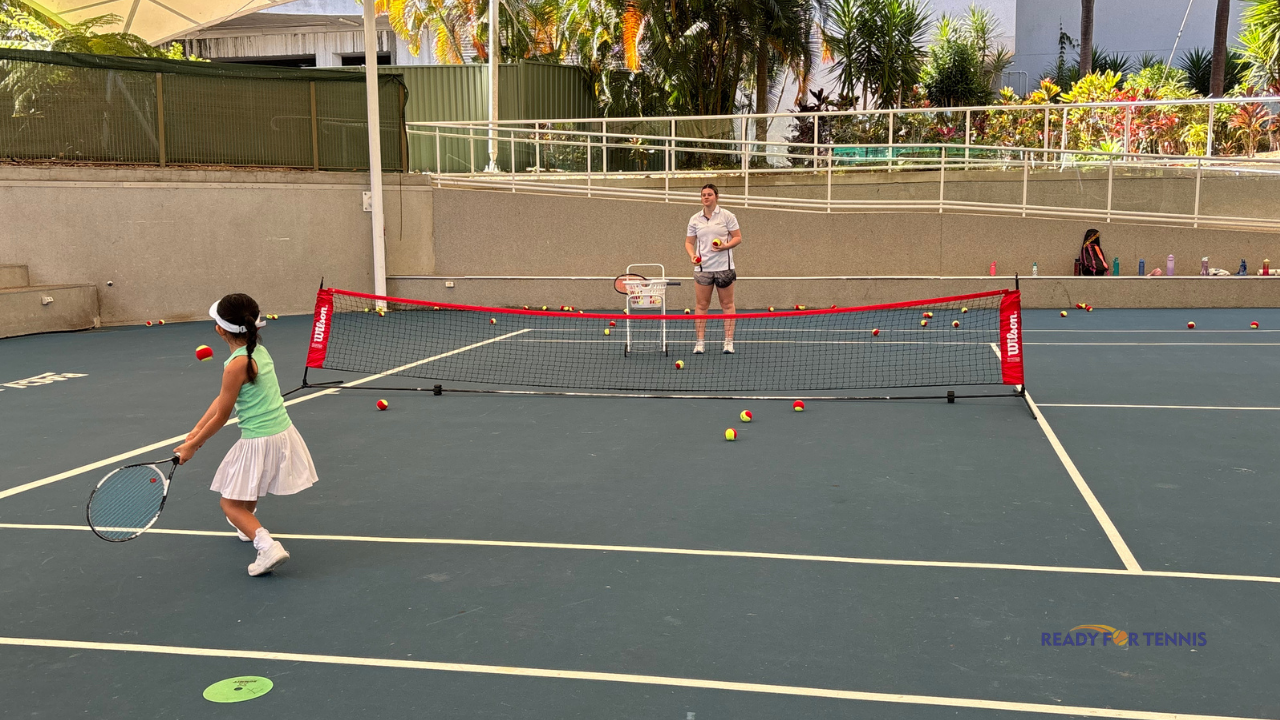
Why good habits matter more than talent
Natural ability can certainly help.
But talent without good habits only goes so far.
Good habits create opportunities to improve every single week.
Think about the players who consistently develop.
They arrive ready to learn.
They listen.
They encourage others.
They practise the same movements repeatedly.
They enjoy solving problems.
Over time, these habits compound.
Just like learning to read or ride a bike, tennis skills improve through repetition.
Every forehand.
Every serve.
Every rally.
Every lesson adds another small piece to the puzzle.
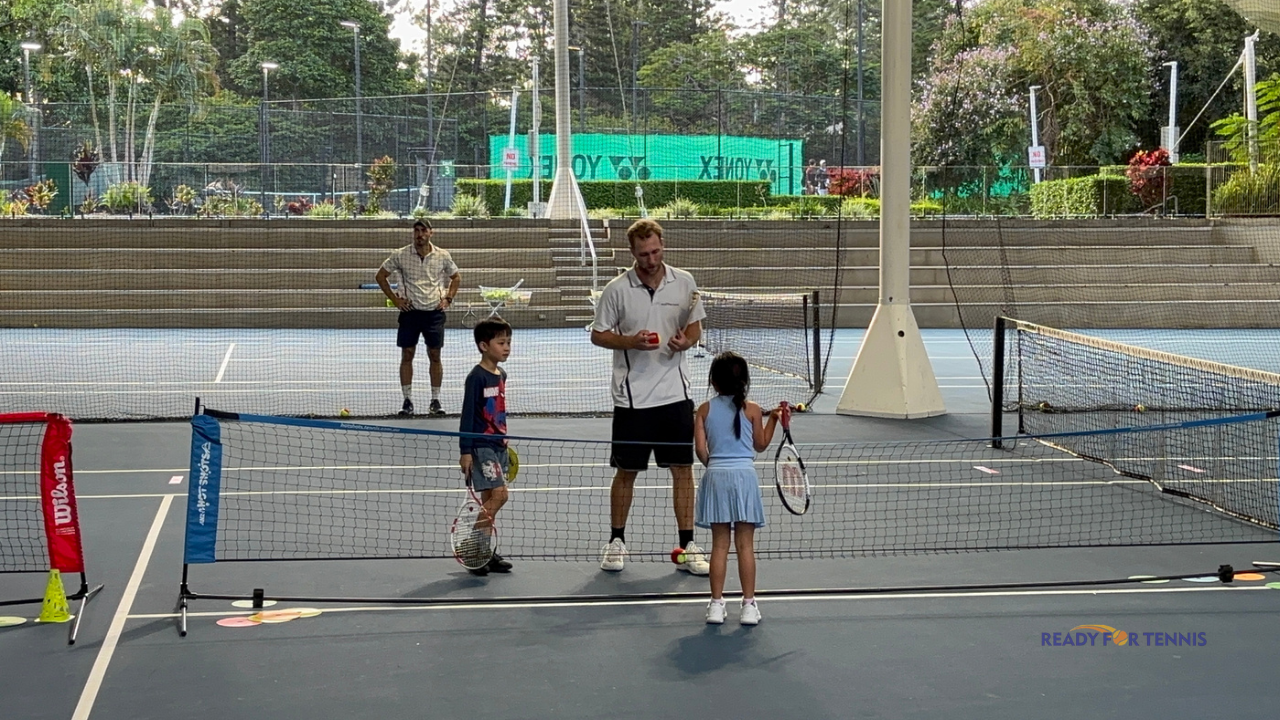
Every rally is a learning opportunity
One of the reasons we chose Find Your Rally as our theme this term is because rallies teach so much more than simply hitting the ball.
Every rally helps players learn to:
- judge the bounce
- move into position
- recover after each shot
- make decisions
- adjust to different situations
- stay patient
Sometimes the rally lasts three shots.
Sometimes it lasts twenty.
Either way, there is something to learn.
Consistency is described as developing repeatable movements, staying relaxed, building rhythm and practising regularly so that the body develops reliable movement patterns.
That's exactly what rallies help children experience.
Confidence follows consistency
One of the biggest myths in junior sport is that confidence comes before improvement.
Usually, the opposite is true.
Children become more confident because they experience regular progress.
That progress often comes from simple routines.
Coming to lessons each week.
Building friendships.
Practising familiar skills.
Seeing themselves improve over time.
Tennis Australia explains that junior competition helps children develop confidence, focus, resilience and friendships while learning in environments suited to their stage of development. The emphasis isn't simply on winning matches - it's about building positive experiences that help children continue enjoying the game.
Those positive experiences are built through consistency.
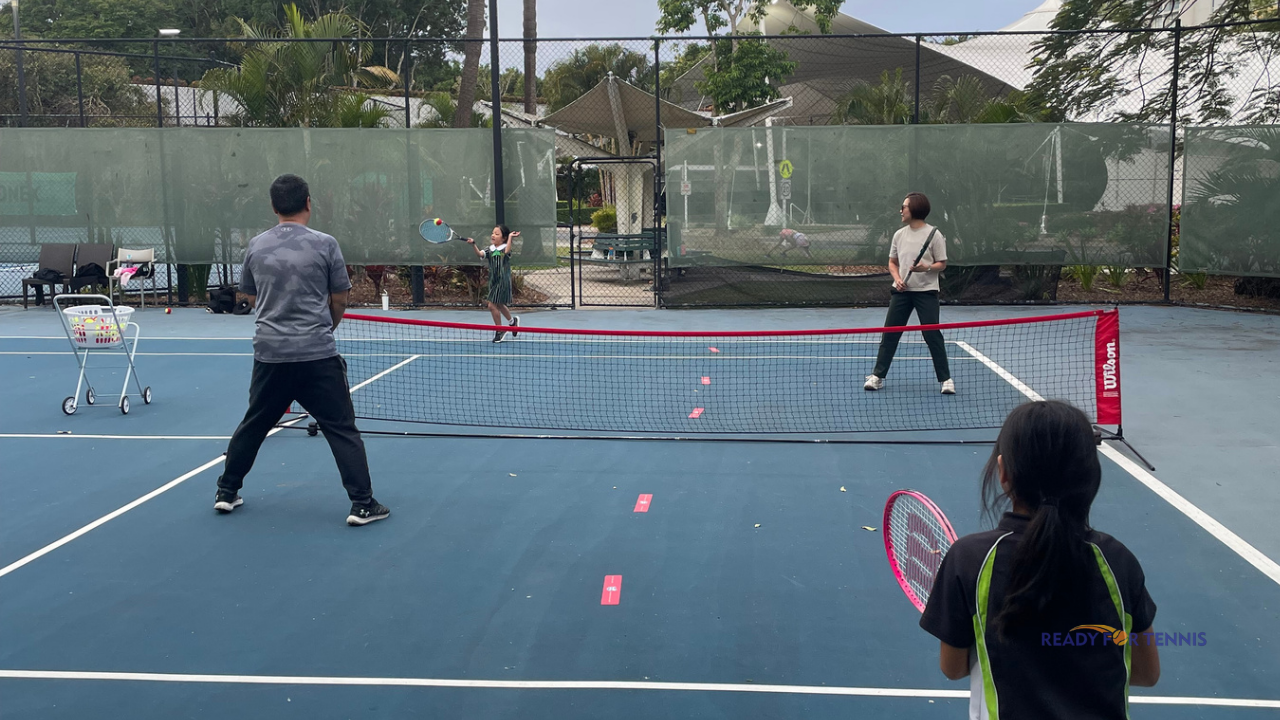
Parents play an important role
One of the best ways parents can support improvement is by celebrating the habits rather than only the outcomes.
Instead of focusing only on:
"Did you win?"
Try asking:
"What did you learn today?"
"What was your favourite rally?"
"What are you proud of?"
Tennis Australia also encourages parents to create positive sideline environments by recognising effort, sportsmanship and enjoyment, helping children feel safe, motivated and supported throughout their sporting journey.
Those conversations reinforce that progress is about much more than the scoreboard.
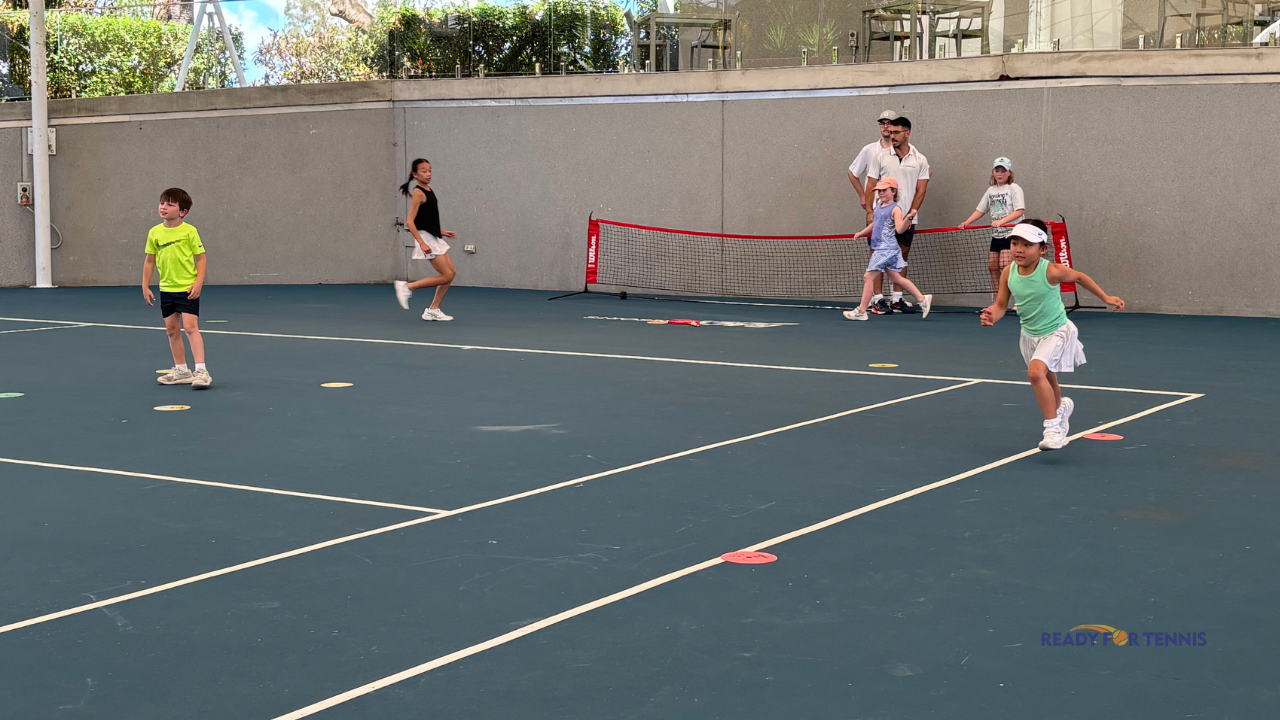
Improvement isn't always obvious
Some of the biggest improvements aren't immediately visible.
The child who now walks confidently onto the court.
The player who encourages another child after a difficult point.
The rally that lasts a little longer than it did last month.
The player who keeps trying after making a mistake.
These are all signs that good habits are becoming part of who they are.
As coaches, we celebrate these moments just as much as a great winner down the line.
Because they tell us the foundations are being built.
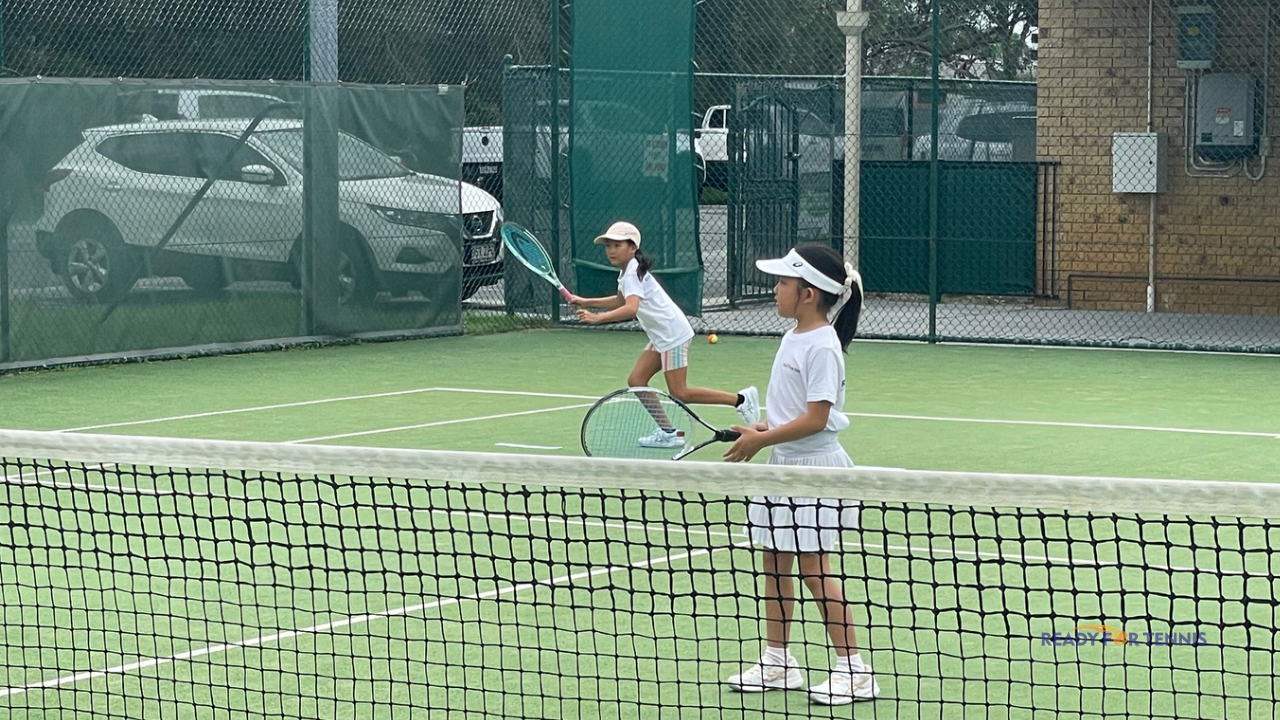
Keep showing up
At Ready for Tennis, we don't believe there is one secret to becoming a better tennis player.
We believe improvement comes from doing the little things well, over and over again.
Showing up.
Learning something new.
Supporting your teammates.
Building healthy routines.
Enjoying the process.
Some weeks the progress will be obvious.
Some weeks it won't.
But every lesson, every rally and every good habit is helping build something bigger.
That's how players improve.
Not through talent alone.
Through consistency.
And that's how players truly find their rally.