
Why Progress in Tennis Isn't Always Obvious

If you've ever watched your child play tennis and wondered, "Are they actually improving?", you're certainly not alone.
The same question often comes from adult players too.
"I feel like I've been practising for weeks, but I don't seem to be getting any better."
It's a completely natural thought.
The interesting thing is that learning tennis rarely happens in a straight line.
In fact, one of the biggest surprises for many players and parents is that progress is often happening long before it becomes obvious.
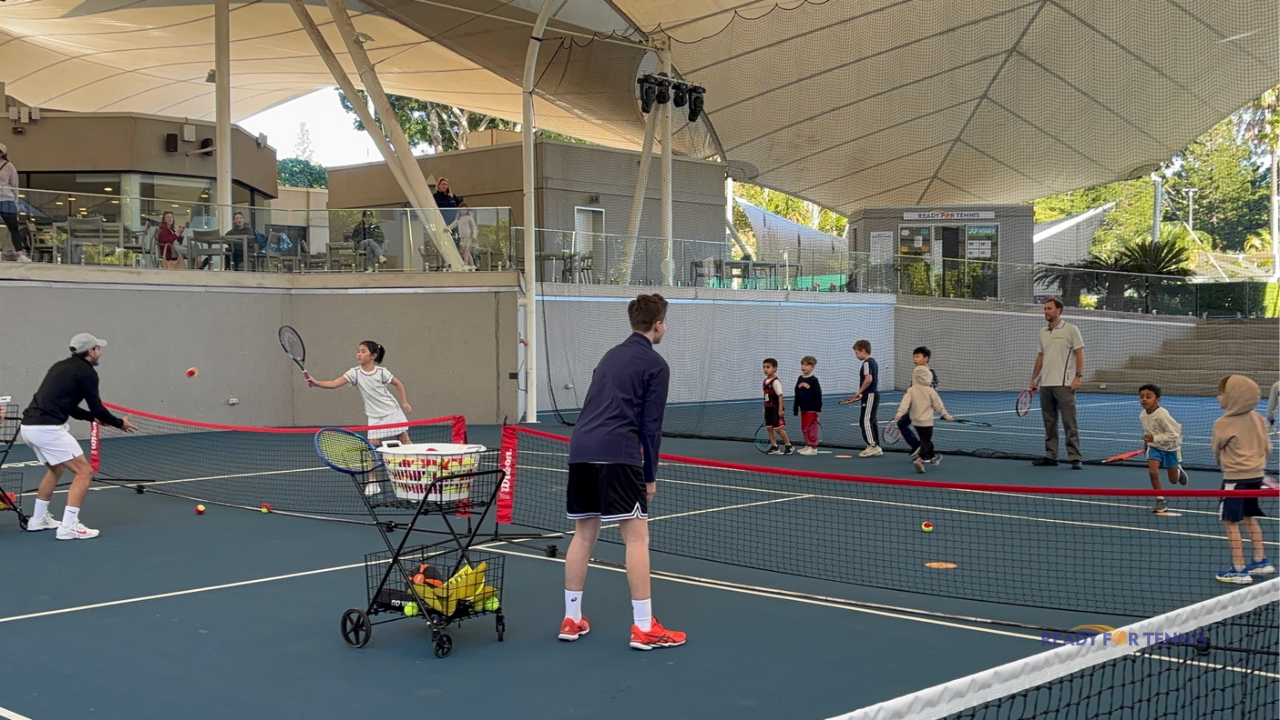
Learning isn't linear
We naturally expect improvement to look something like this:
Lesson.
Improve.
Lesson.
Improve again.
Real learning doesn't usually work that way.
Some weeks everything clicks.
Other weeks feel frustrating.
Then, almost unexpectedly, a skill you've been working on suddenly feels natural.
Sports scientists describe this as part of the motor learning process. The brain and body need time to practise, adapt and consolidate new movement patterns before they become automatic.
That's why patience is such an important part of becoming a better tennis player.
The improvements coaches notice
Parents often notice:
- winning more games
- stronger serves
- better rallies
As coaches, we're often looking for different things.
We notice players:
- recovering earlier after each shot
- moving their feet instinctively
- making better decisions
- communicating more confidently
- remaining positive after mistakes
- showing greater independence
These improvements might not immediately appear on the scoreboard.
But they're often the building blocks that lead to stronger performances later.
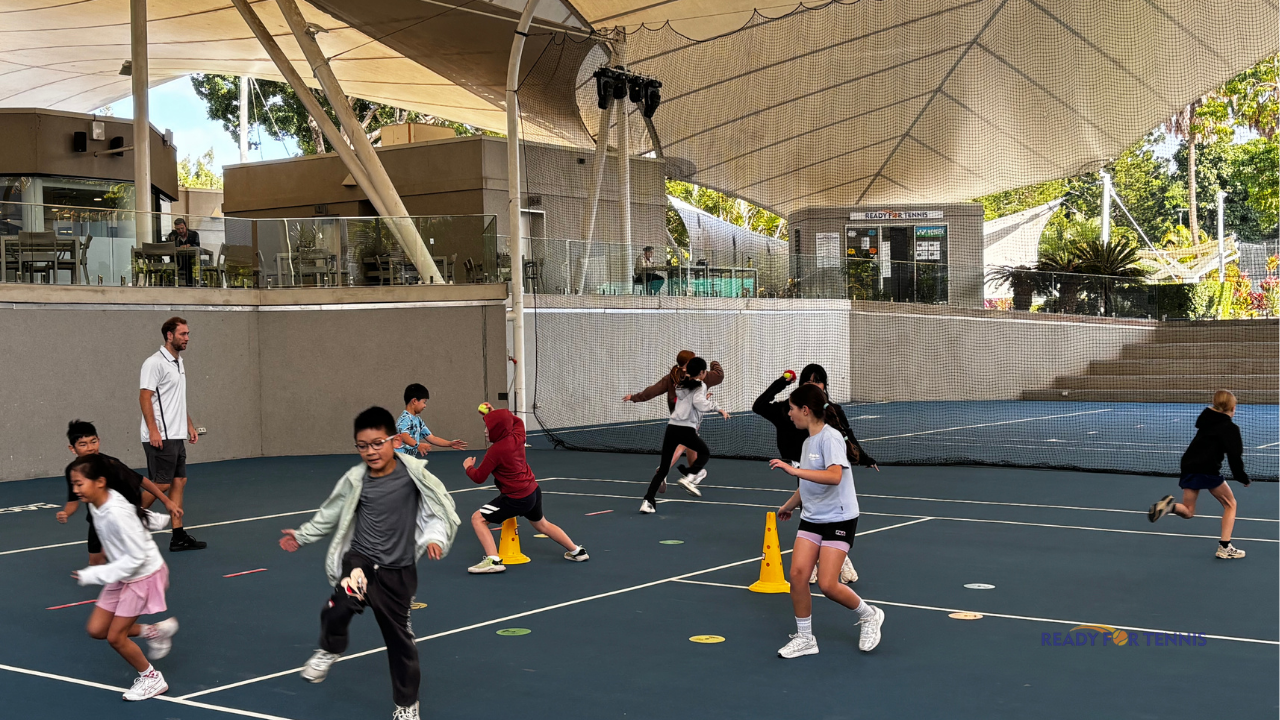
Confidence grows quietly
Confidence isn't built through one great lesson.
It's built through repeated experiences.
Trying.
Learning.
Adjusting.
Trying again.
Tennis Australia encourages long-term player development that focuses on skill acquisition, enjoyment and appropriate competition rather than simply chasing short-term results.
Children who continue enjoying the learning process are more likely to remain engaged with the sport and continue developing over time.
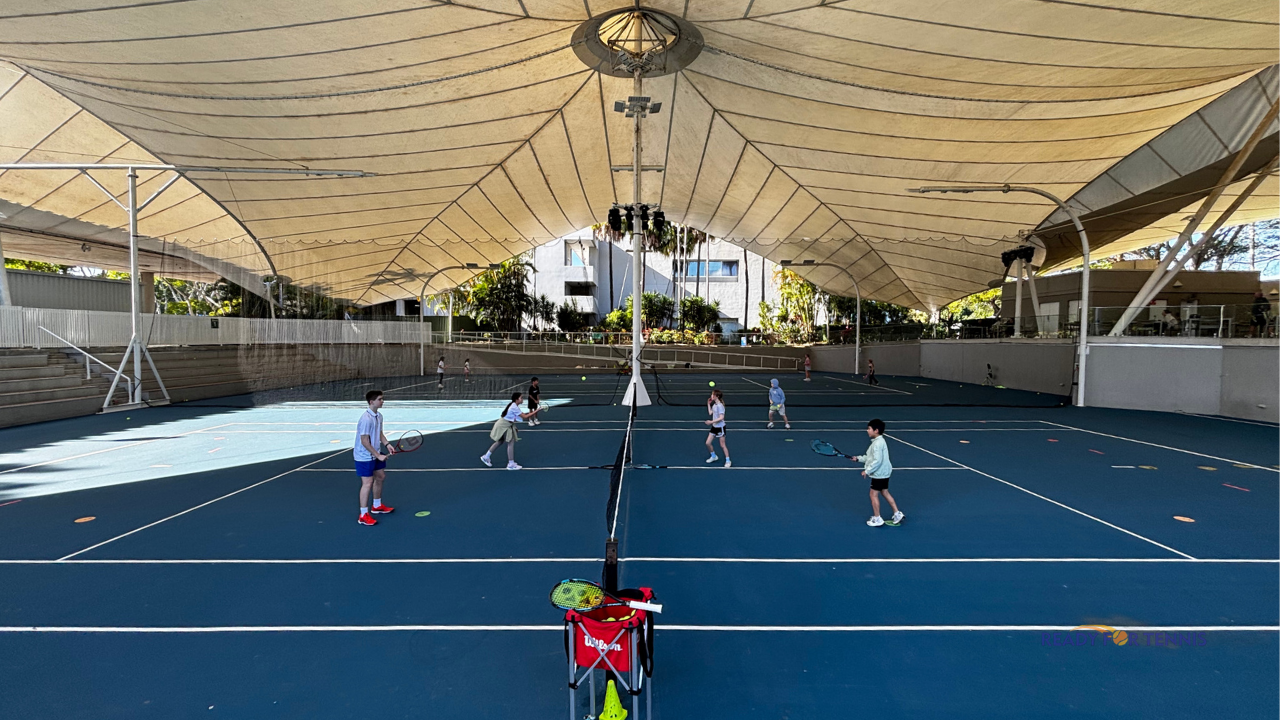
Every lesson has a purpose
Not every lesson is designed to make players look better immediately.
Sometimes a coach introduces a new grip.
A different footwork pattern.
A new tactical idea.
At first, performance might temporarily feel less comfortable.
That's normal.
Learning something new often feels awkward before it becomes natural.
The important thing is continuing to practise until the movement becomes familiar.
Parents can help
One of the most valuable things parents can do is celebrate learning instead of only outcomes.
Try asking:
- "What challenged you today?"
- "What did you enjoy?"
- "What did you learn?"
These questions encourage children to value improvement rather than perfection.
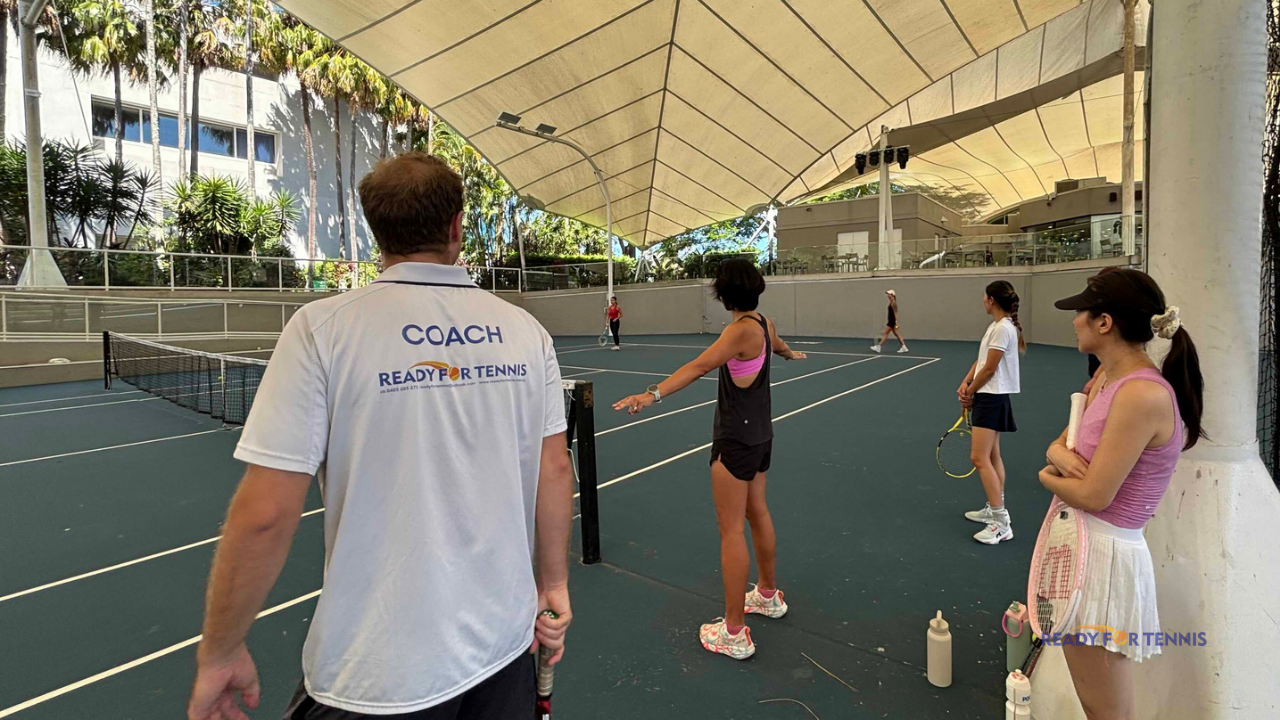
Adults experience exactly the same thing
Adult players often expect themselves to improve quickly. But changing movement patterns takes time, regardless of age.
Every lesson builds another piece of the puzzle.
Even the sessions that feel difficult are contributing to future improvement.
Trust the process
Our current overarching theme this term is Find Your Rally.
Finding your rally isn't about becoming the best player overnight.
It's about trusting that every lesson, every individual or team challenge and every rally is helping you become a little better than you were yesterday.
Sometimes the progress is obvious.
Sometimes it's quietly building beneath the surface.
Either way...
It's happening.