
How Tennis Helps Children Build Confidence On and Off the Court
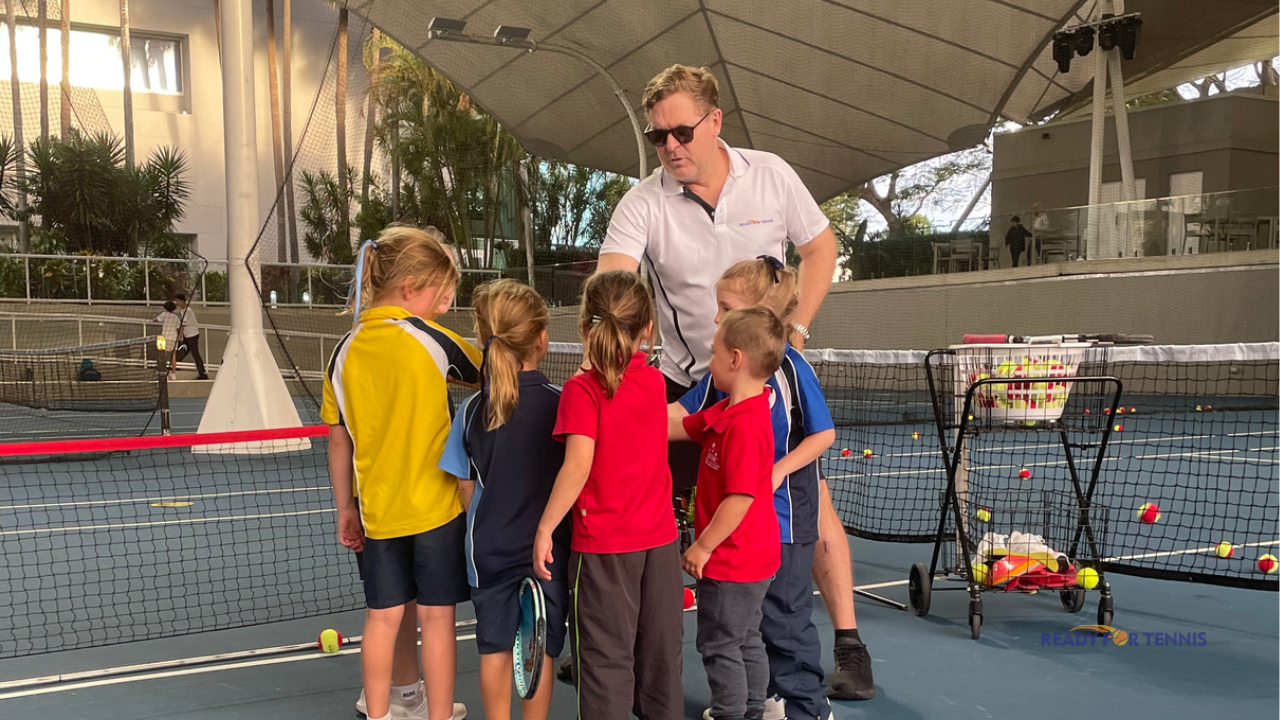
As parents, we all want our children to grow into confident, capable and resilient young people.
Confidence helps children make friends, try new things, bounce back from setbacks and believe in their own ability to solve problems. While confidence develops in many areas of life, sport can play an important role in helping children build it naturally.
At Ready for Tennis, one of the biggest changes we see isn't always a better forehand or a stronger serve.
It's the child who walks onto the court smiling after being nervous on their first day.The player who starts encouraging their teammates.The child who keeps trying after missing a difficult shot instead of giving up.
These are the moments that tell us confidence is growing.
Confidence isn't something children are given
Many people think confidence comes first.
In reality, confidence usually grows because of positive experiences.
Children build confidence when they experience small successes, overcome challenges, learn new skills and discover that they can improve through practice.
Sport provides these opportunities every week.
Tennis is particularly well suited because every lesson offers achievable challenges. Players learn new skills, solve problems, experience success and discover that improvement comes through persistence rather than perfection.
Over time, those experiences build belief.
Not just belief in their tennis ability, but belief in themselves.
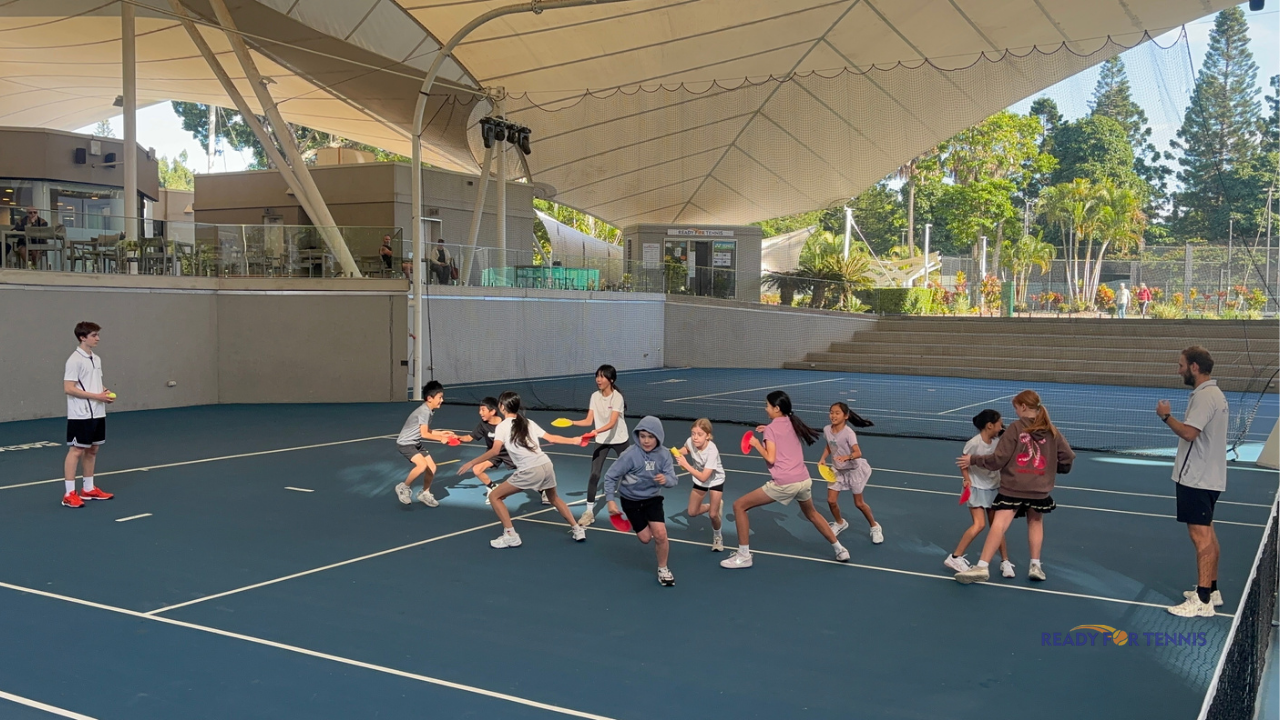
Every small win matters
Parents naturally notice the big milestones.
Winning a match.
Moving into the next class.
Serving over the net consistently.
But as coaches, we often notice different moments.
The child who confidently joins the warm-up.
The player who remembers to call the score.
The smile after keeping a rally going for a little longer.
The child who introduces themselves to someone new.
These moments might seem small, but they represent something much bigger.
Each one is another piece of evidence for the child that says:
"I can do this."
Confidence grows through hundreds of these small experiences.
Learning that mistakes are part of improving
One of the greatest lessons tennis teaches children is that mistakes are normal.
Every player misses balls.
Every player hits the net.
Every player has days where things don't quite go to plan.
Children who learn in a supportive coaching environment begin to understand that mistakes are not failures - they're simply part of learning.
Instead of becoming discouraged, they learn to adjust, try again and keep moving forward.
These experiences help develop resilience alongside confidence.
Rather than avoiding challenges, children begin seeing them as opportunities to improve.
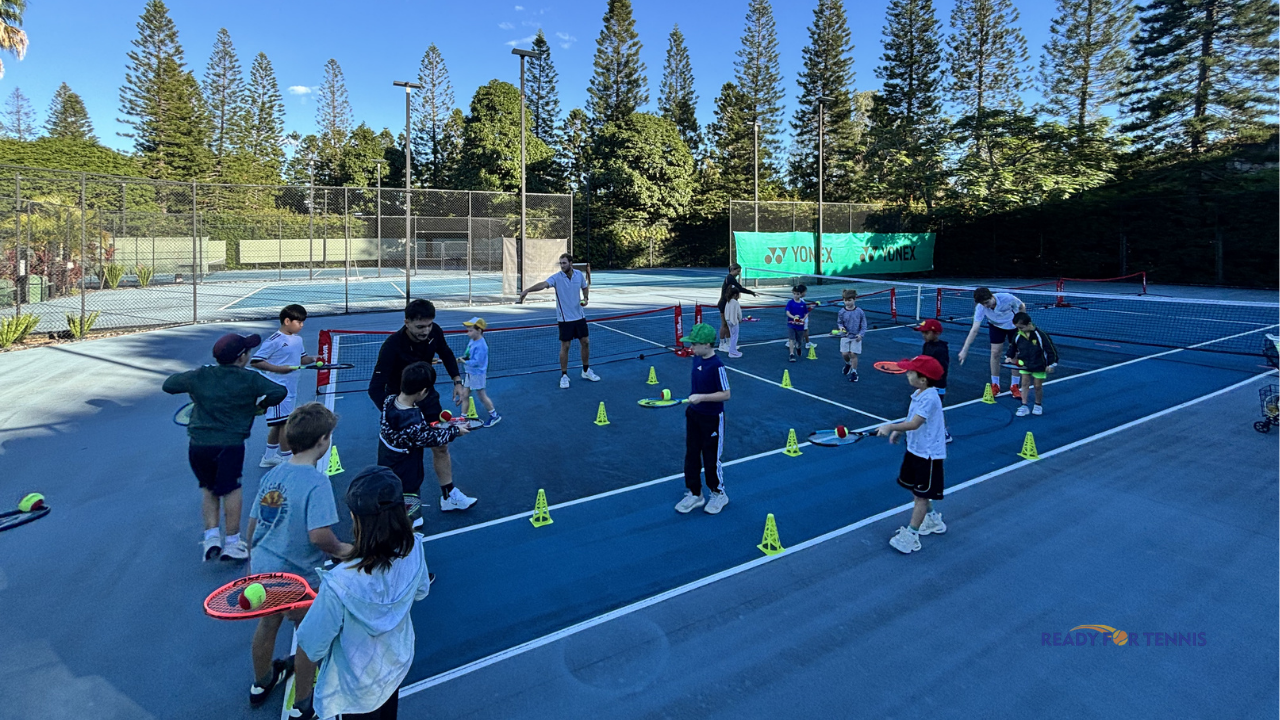
Confidence grows in supportive environments
Children don't build confidence simply because they're playing a sport.
The environment matters.
Tennis Australia highlights the importance of creating positive, welcoming and inclusive environments where children feel physically and psychologically safe to participate, learn and enjoy the game.
When children know they're encouraged regardless of the result, they're more willing to take risks, ask questions and try new skills.
They become learners rather than simply performers.
This type of environment allows confidence to grow naturally because children feel accepted while they're still developing.
Belonging is part of confidence
Children thrive when they feel they belong.
For many young players, tennis becomes much more than a weekly lesson.
It becomes part of their routine.
They recognise their coach.
They look forward to seeing their friends.
They celebrate each other's successes.
They encourage one another after difficult points.
Feeling connected to a group helps children develop socially as well as physically.
It teaches respect, communication, cooperation and empathy - all qualities Tennis Australia includes as important outcomes of junior player development.
Sometimes the greatest reason a child keeps coming back isn't because they hit the perfect forehand.
It's because they feel like they belong.
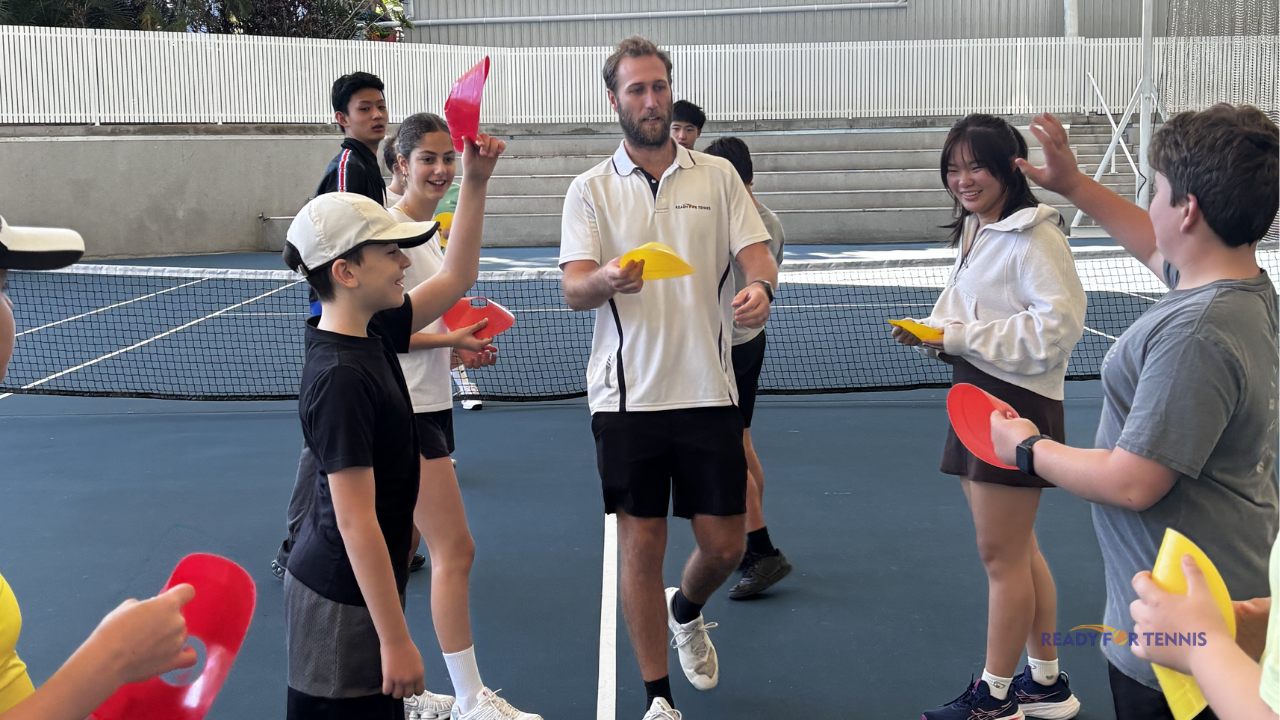
Tennis develops more than tennis skills
Every tennis session asks children to think, move and adapt.
They judge where the ball will bounce.
They adjust their footwork.
They make decisions under pressure.
They solve problems throughout every rally.
At the same time, they're developing physical literacy - the fundamental movement skills that support lifelong participation in physical activity.
Sport Australia recognises that developing these movement skills during childhood provides the foundation for confidence in many sports and physical activities throughout life.
The confidence children gain from moving well often transfers into other areas, including school, recreation and everyday life.
What parents can do
Parents play an important role in helping confidence continue to grow away from the court.
Rather than focusing only on results, try celebrating effort, learning and enjoyment.
Instead of asking:
"Did you win?"
You might ask:
"What was the most enjoyable part of today?"
"What did you learn?"
"What are you proud of?"
These conversations help children recognise that progress is measured by much more than the scoreboard.
Over time, they begin valuing persistence, curiosity and improvement instead of perfection.
Confidence takes time
Every child develops differently.
Some children appear confident from the beginning. Others need a little longer to find their rhythm.
Both journeys are completely normal.
Confidence isn't built in one lesson, one tournament or one great shot. It's built through regular opportunities to learn, connect, overcome challenges and experience success in a supportive environment.
That's one of the reasons we love coaching tennis.
Every week we see children discovering they can do things they couldn't do before.
Not because someone told them they were confident.
Because they experienced it for themselves.
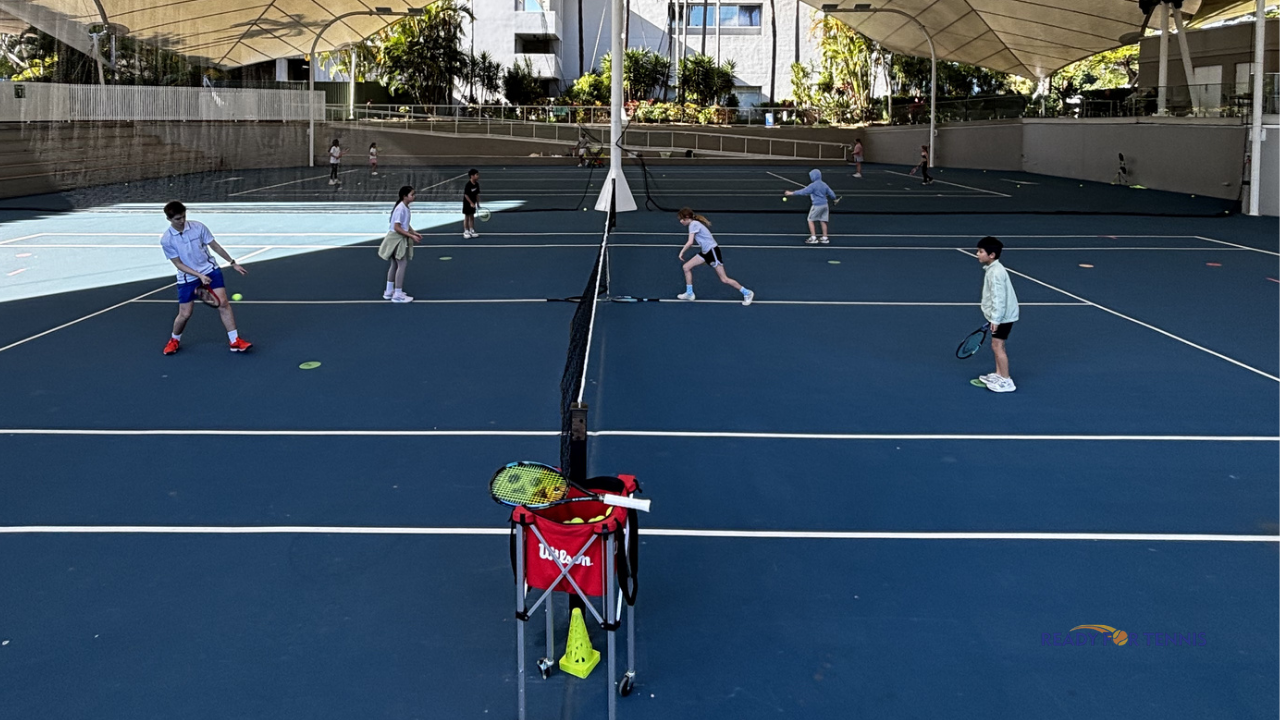
Finding their rally
Our theme this term at Ready for Tennis is Find Your Rally.
For us, that means much more than keeping the ball in play.
It's about helping every player find their own rhythm, build confidence at their own pace and enjoy being part of a supportive tennis community.
Some rallies build better technique.
Some build friendships.
Some build resilience.
And every now and then, without even realising it, a rally helps build a more confident young person.
That might just be the most valuable lesson of all.