
What Children Learn From Missing the Ball
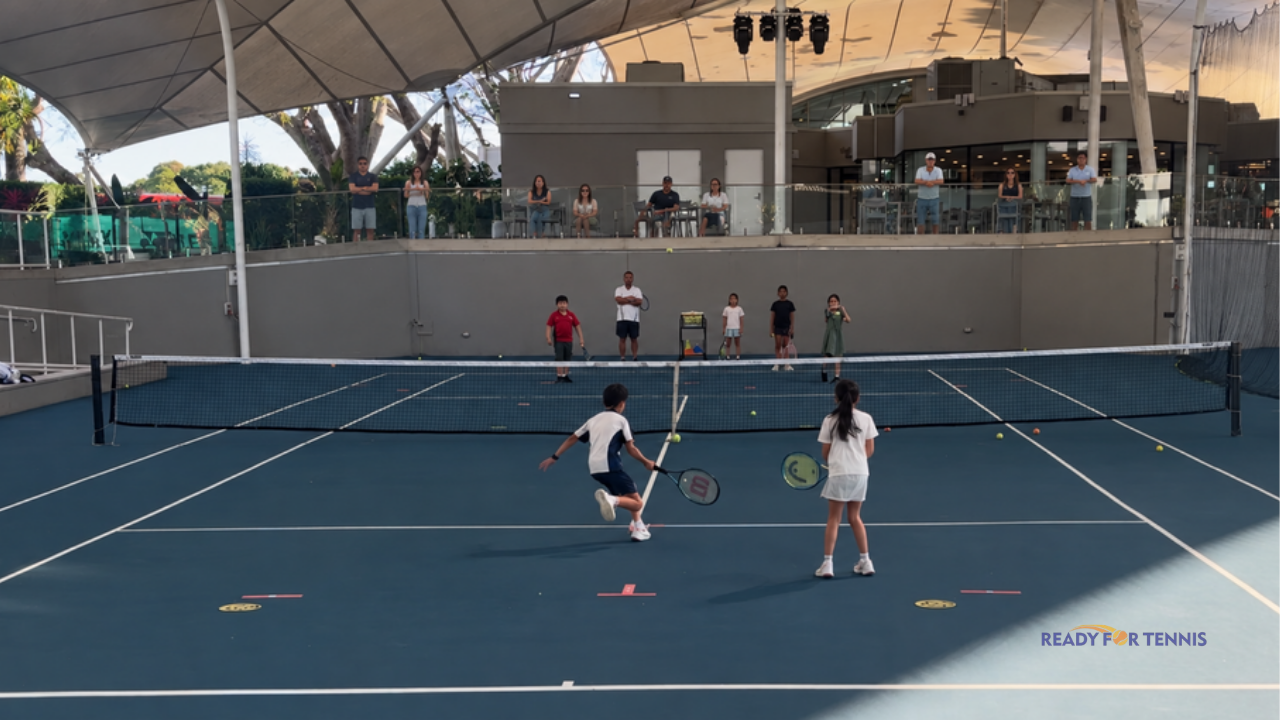
When a child misses a tennis ball, it is easy to focus on the obvious result.
The ball went past them. The rally ended. The point was lost.
But the missed ball is not the end of the learning. In many cases, it is where the most useful part begins.
Tennis gives children repeated opportunities to notice what happened, manage their reaction and make another choice. The next ball usually arrives within seconds, so they get to practise responding without waiting long for another chance.
This does not mean every mistake needs to become a lesson or that adults should analyse every missed shot. It means that mistakes can provide valuable information when children are given enough space and support to learn from them.
A missed ball gives the player information
Every tennis shot begins before the racquet reaches the ball.
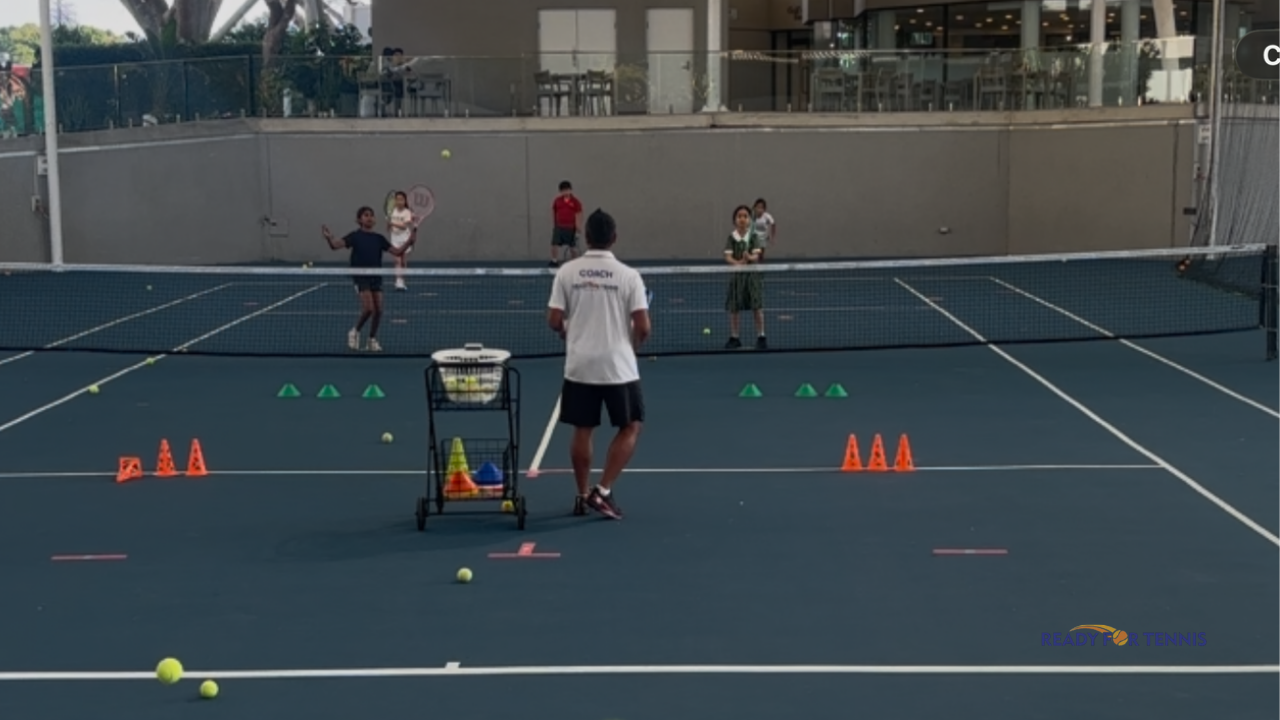
The player has to notice the ball’s direction, judge its speed, move into position and decide what kind of response might work. If the shot is missed, one of those decisions may need to change.
Was the player too close to the ball? Did they begin moving too late? Were they watching the target before making contact? Did they try to hit too hard?
Learning to ask these questions helps a child move from simply reacting to beginning to understand the game.
The Australian Sports Commission describes physical literacy as a combination of physical, psychological, social and cognitive development. In tennis, these areas work together. Movement matters, but so do attention, decision-making, confidence and the ability to adjust.
The coach’s role is to help the child identify useful information without overwhelming them. Sometimes one simple prompt, such as “What did you notice?” or “What could you try next time?” is more valuable than immediately giving several technical corrections.
It creates a chance to practise emotional recovery
Missing the ball can produce frustration, embarrassment or disappointment. Those feelings are normal, particularly when a child cares about improving or is comparing themselves with other players.
The opportunity is not to remove the feeling. It is to help the child learn what to do next.
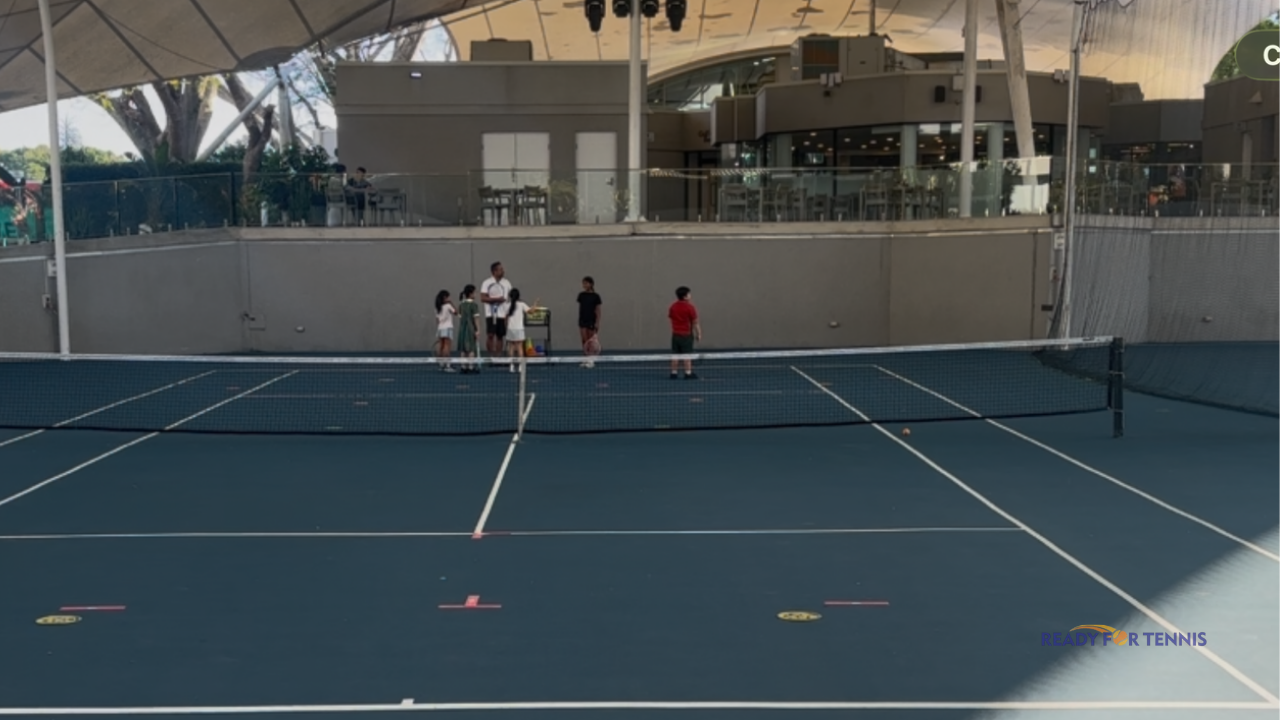
Can they take a breath? Can they return to their starting position? Can they direct their attention towards the next ball instead of continuing to think about the last one?
The Australian Physical Literacy Framework includes emotional self-regulation, confidence, motivation, engagement and enjoyment within its psychological domain. These qualities develop through experience. A tennis lesson offers many small, manageable moments in which children can practise them.
Recovery will not look the same for every child. One player might reset immediately. Another may need reassurance, a short pause or a simpler activity before they are ready to try again.
Progress is not never feeling frustrated. Progress might be recovering a little faster or staying involved after something difficult.
The right challenge can build confidence
Confidence does not require every ball to go in.
It grows when children experience a challenge that feels achievable, put in effort and begin to see improvement.
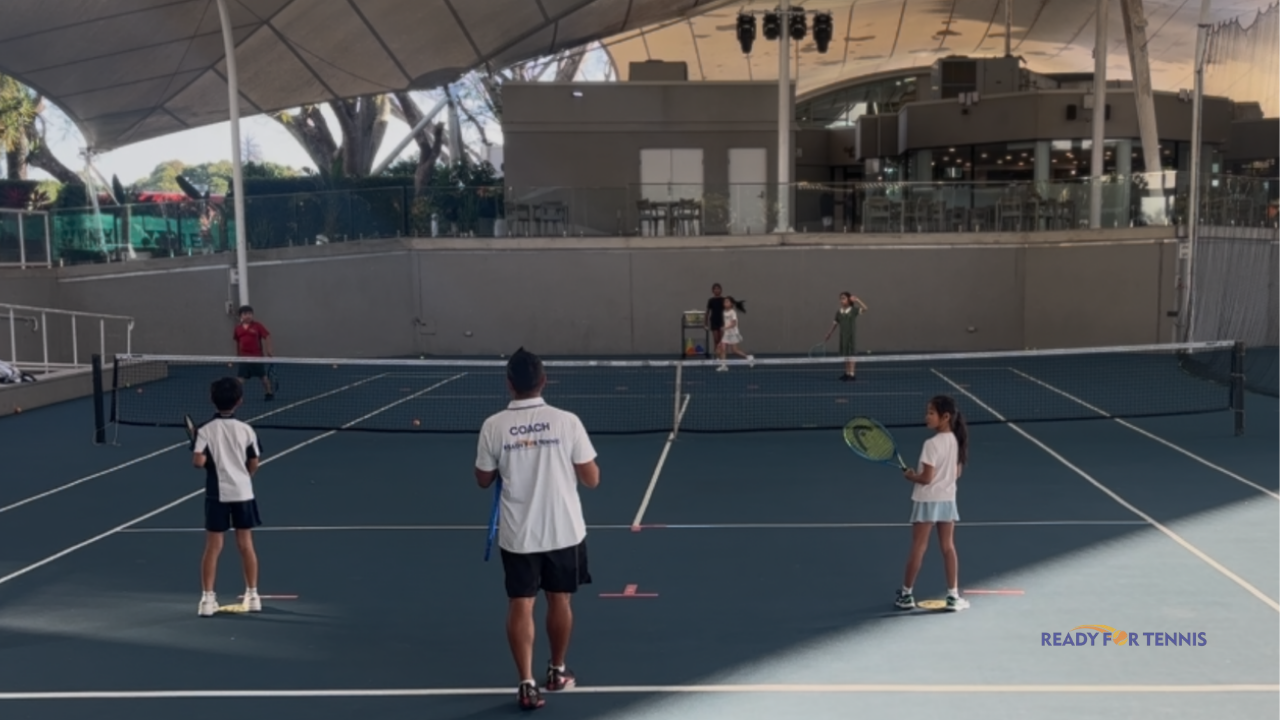
Tennis Australia’s Hot Shots program uses scaled courts, lighter racquets and softer balls to help children learn through play. Modified equipment gives young players an age-appropriate environment in which they can begin rallying and experiencing progress.
This matters because a child still needs some success.
If the task is consistently too difficult, missing stops being useful feedback and can simply become discouraging. If the task is too easy, there may be little reason to adapt or learn.
Good coaching aims for the space between the two. The child is challenged, but they can also see a pathway forward.
Raising Children Network recommends focusing on effort, encouraging children to try again when things do not work the first time, and setting small, reachable goals. On a tennis court, that might mean making contact with three balls, recovering to the middle after each shot or staying engaged for the full activity.
The adult response shapes the experience
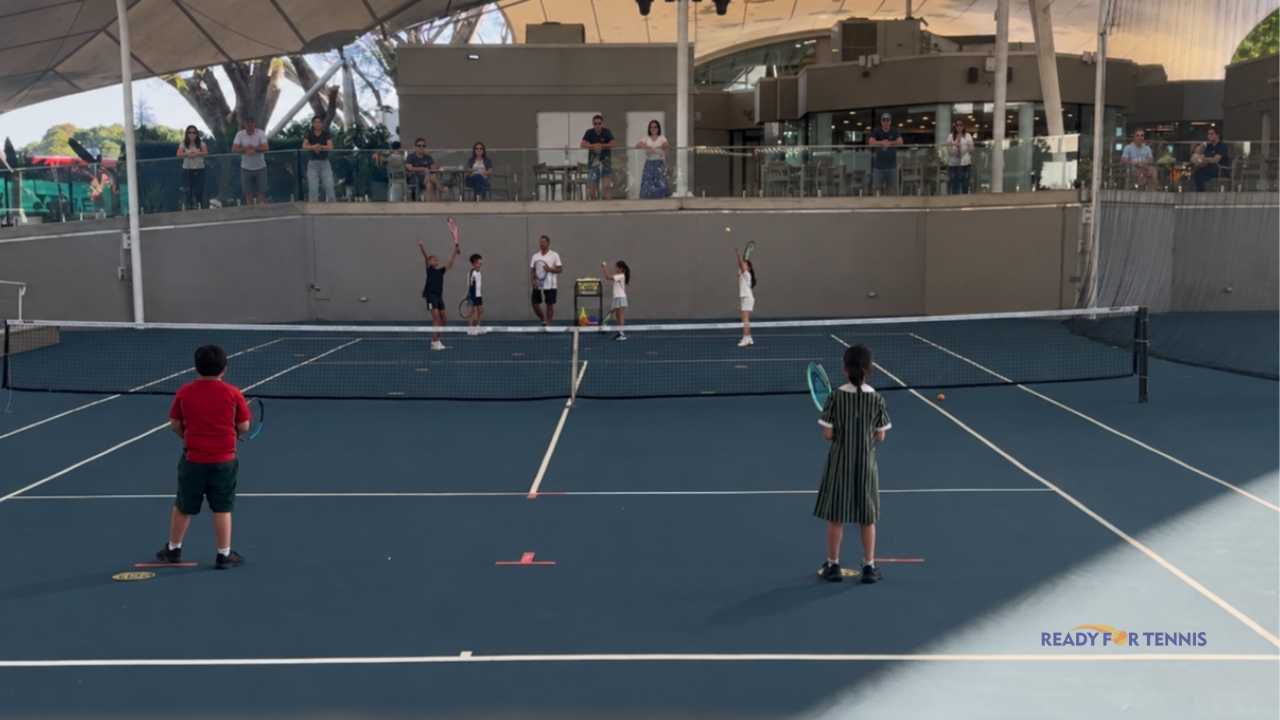
Children notice the reactions of parents, carers and coaches.
If every missed ball is followed by a correction, a disappointed expression or instructions from the sideline, a child can begin to feel that mistakes are something to avoid.
Play by the Rules warns that poor sideline behaviour can increase anxiety and stress, affect sportsmanship and contribute to children leaving sport when it is no longer enjoyable.
A supportive response does not mean pretending everything was perfect. It means allowing the coach to guide the tennis while the parent or carer protects the child’s sense of support and belonging.
After a lesson or match, useful questions might include:
What did you enjoy today?
Was there anything that became easier?
What would you like to try again next time?
What are you proud of about how you responded?
These questions encourage reflection without turning the trip home into another coaching session.
What this means at Ready for Tennis
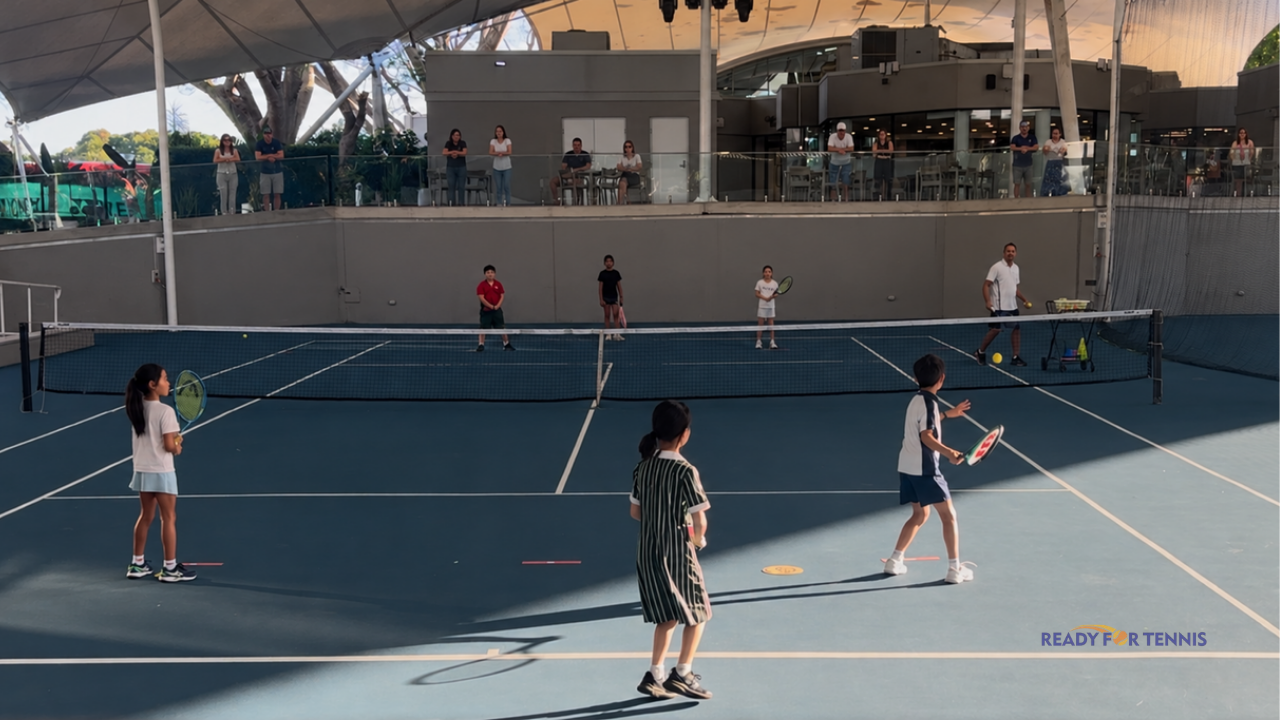
At Ready for Tennis, we want missed balls to remain a normal part of learning.
Our goal is to give children age-appropriate challenges, useful feedback and enough opportunities to experiment. We want them to develop their tennis skills while also learning how to notice, adjust and begin again.
The next time your child misses the ball, try looking beyond where the point ended.
They may be learning how to make a better decision. They may be practising how to recover from disappointment. They may be discovering that improvement does not require perfection.
Sometimes the most valuable shot in the lesson is the one that gives a child a reason to try differently next time.