You Do Not Age Out of Play

There is something wonderfully honest about watching people play sport at different stages of life.
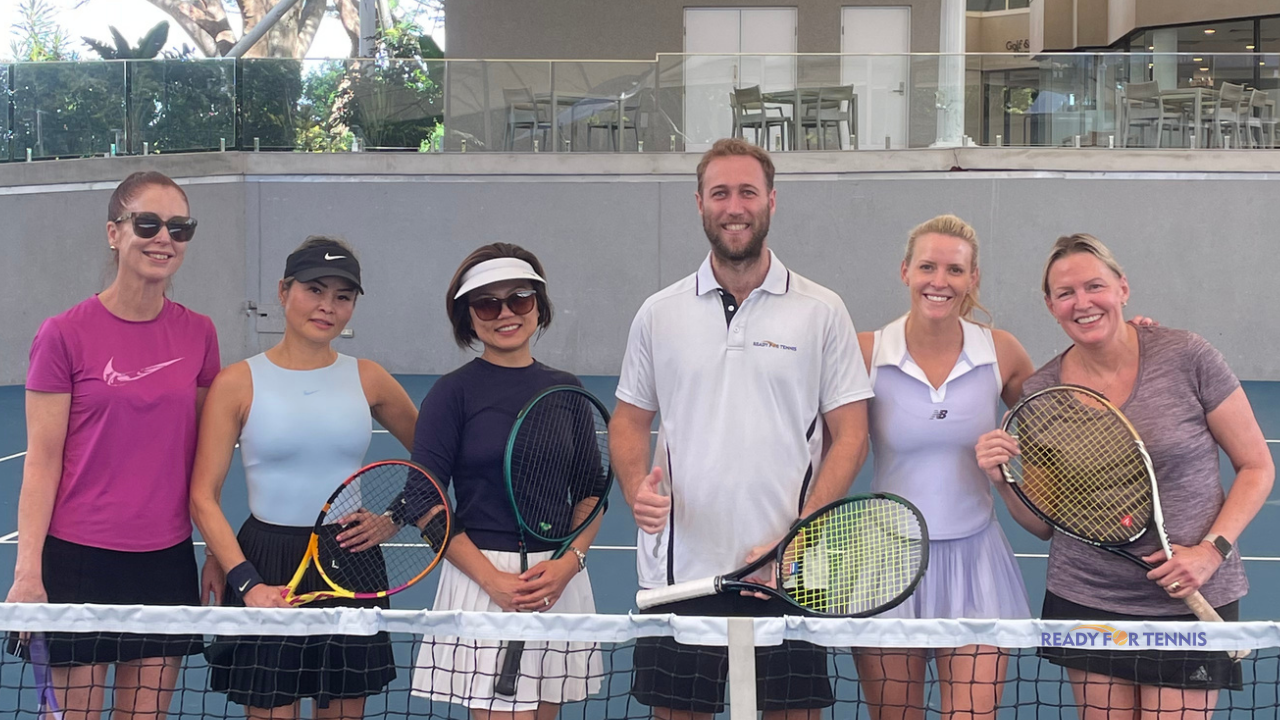
A child runs onto the court full of energy. An adult returns after years away and rediscovers the feeling of a cleanly struck forehand. Another player turns up every week because tennis has become part of who they are.
The reasons may change. The joy does not have to.
The Pan Pacific Masters Games, taking place across the Gold Coast from 6 to 15 November, offer a timely local example. With athletes continuing to train, compete and connect through sport at different stages of life, the Games bring the idea of Play for Life into view right here in our community. Those interested in following the tennis can view the official Pan Pacific Masters Games tennis program.
Sport does not belong to one age, one body type or one level of ability. It belongs to anyone willing to keep moving, learning and connecting.
What are we really giving children through sport?
When a child begins tennis, it can be easy to focus on what we can see.
Is their serve improving? Can they keep score? Are they winning more points?
These things matter, but they are not the whole story.
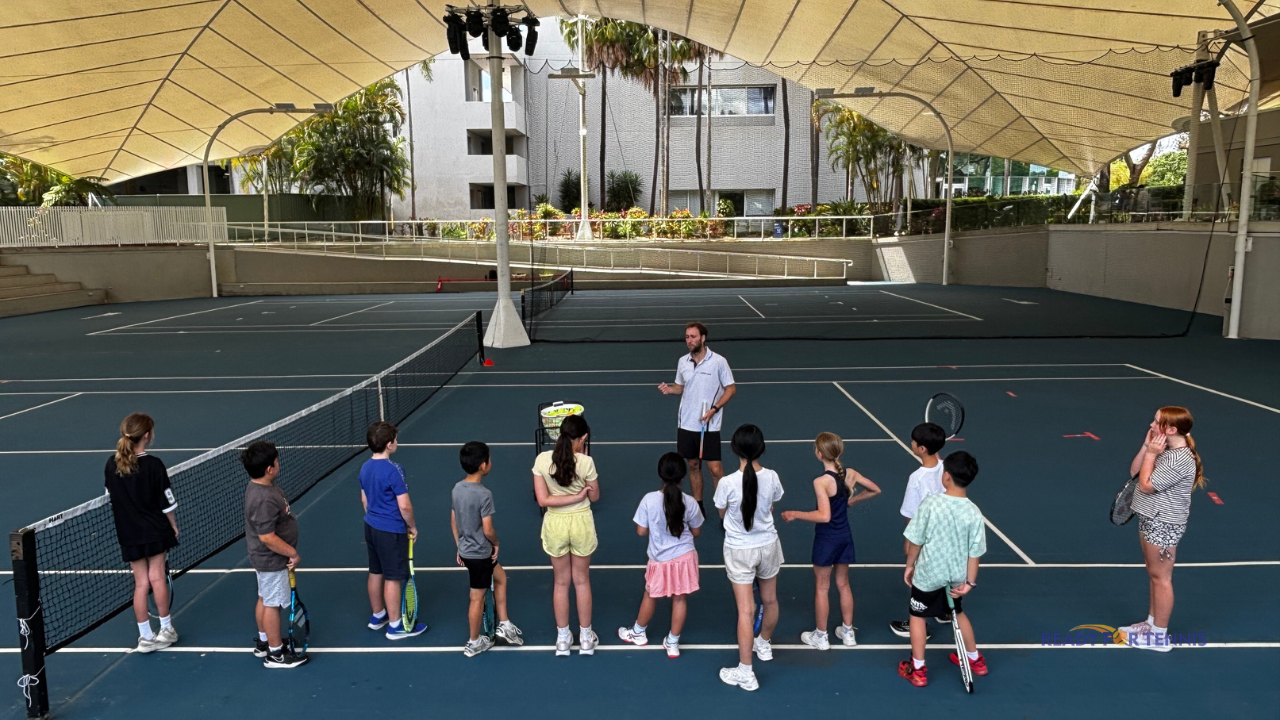
The deeper opportunity is to help a child build a positive relationship with movement. We want them to discover that being active can feel good, that learning can be enjoyable and that effort is worthwhile even when success does not arrive immediately.
The Australian Sports Commission notes that lifelong attitudes towards sport and physical activity begin forming during childhood. Negative early experiences can lead children to avoid sport, while positive experiences can help keep them engaged. It also reminds parents that children often participate for fun and social connection, not only for competition.
That changes the question we ask after a lesson.
Instead of only asking, “Did you win?”, we might ask:
“What did you enjoy?”
“What did you learn?”
“Who did you connect with?”
Those questions tell a child that their experience matters more than a result.
The goal is not a seven-year-old champion
Some children will fall in love with competition. They will want to train more, test themselves and see how far their tennis can take them. That ambition should be supported.
But the greatest measure of a junior program may not be what a child achieves at seven. It may be whether they still want to move at seventeen, twenty-seven and beyond.
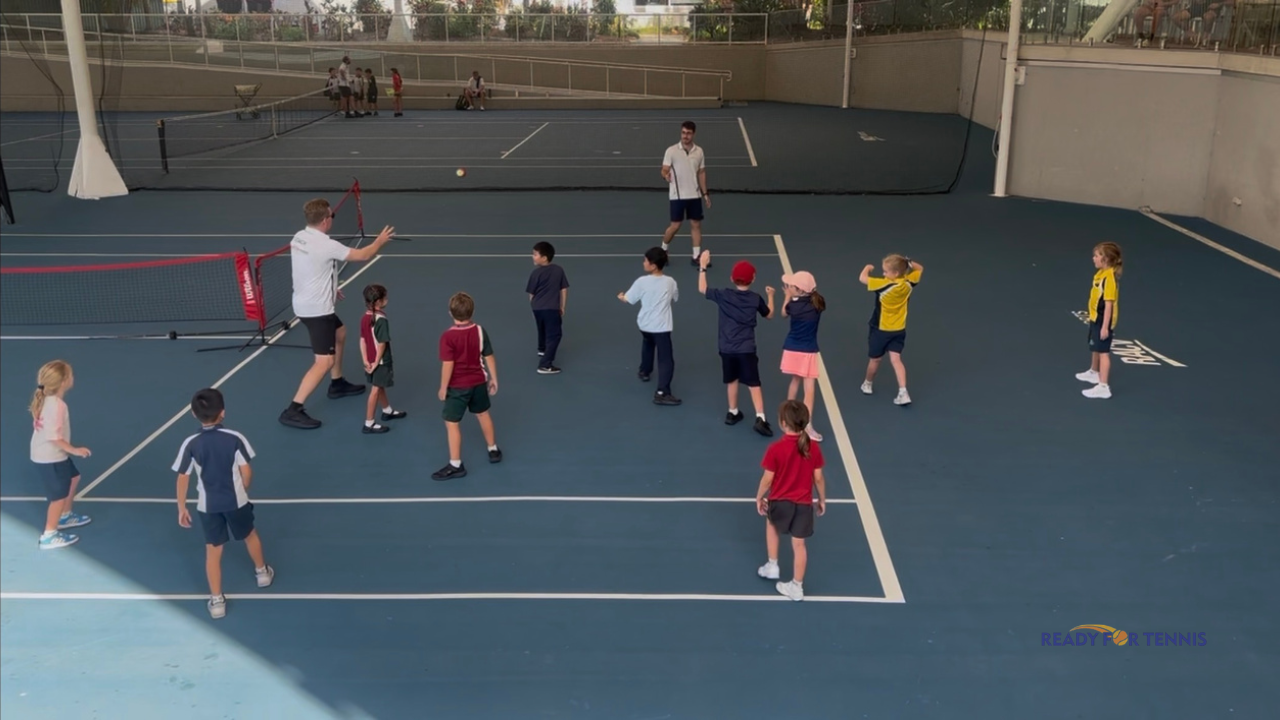
Tennis Australia’s junior programs use modified courts, lighter racquets and game-based learning to make the sport easier to begin. The emphasis is on helping children build skills and confidence while having fun with others.
A child who feels capable is more likely to try again. A child who feels welcomed is more likely to return. A child who associates movement with laughter, friendship and progress may carry that feeling long after their first racquet has been forgotten.
We are not only teaching strokes. We are helping shape a story a child tells themselves:
“I am someone who can learn.”
“I am someone who enjoys moving.”
“I am someone who belongs here.”
Play changes as life changes
For adults, the barriers are often different.
Work becomes busy. Families need our time. Bodies become less forgiving. Confidence can disappear after years away from the court. We tell ourselves we are too old, too unfit or too rusty to begin again.
But play does not require us to return as the person we used to be.
It asks us to meet ourselves where we are now.
Tennis Australia describes tennis as accessible across ages and skill levels, offering fitness, fun and connection. It can also be adapted to suit a player’s experience, goals and physical capacity.
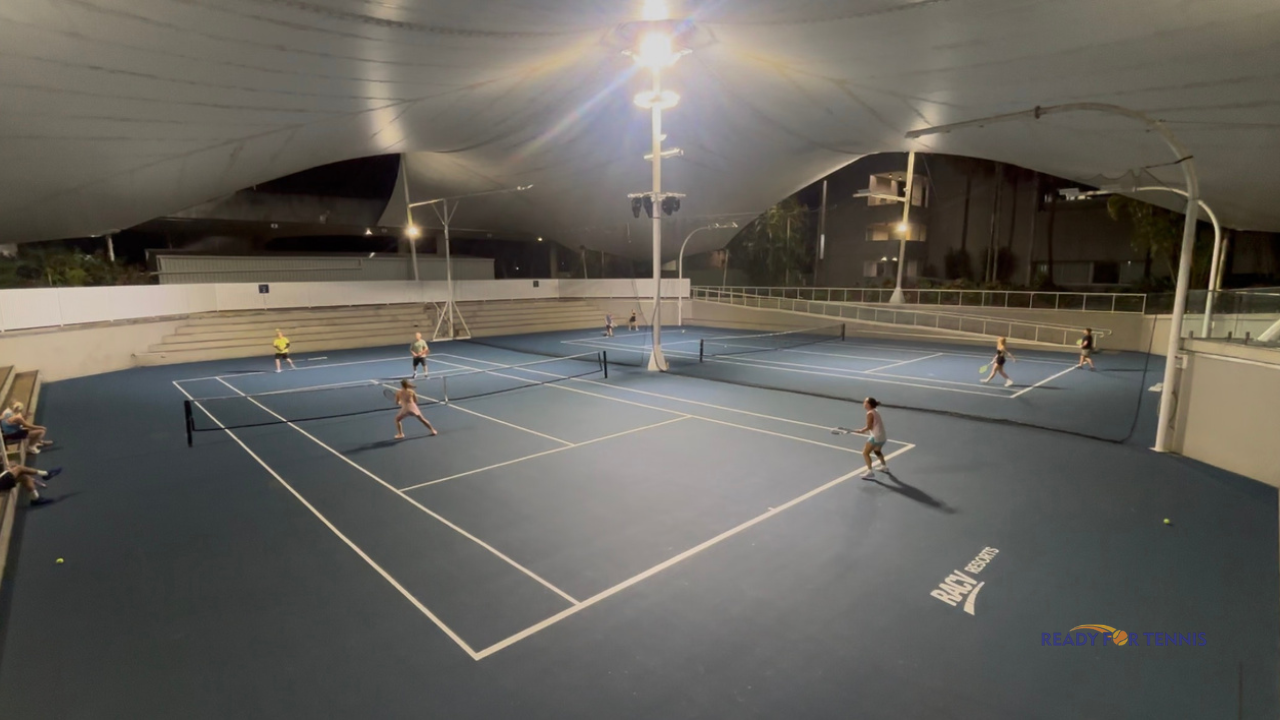
Your tennis today might be social doubles and a laugh between points. It might be a weekly lesson, a gentle rally with your child or the first competition you have entered in years.
It all counts.
The Australian Government recommends staying active throughout life because movement supports physical and mental wellbeing. Yet knowing activity is good for us is rarely enough. We are more likely to continue when it also gives us enjoyment, belonging and something to look forward to.
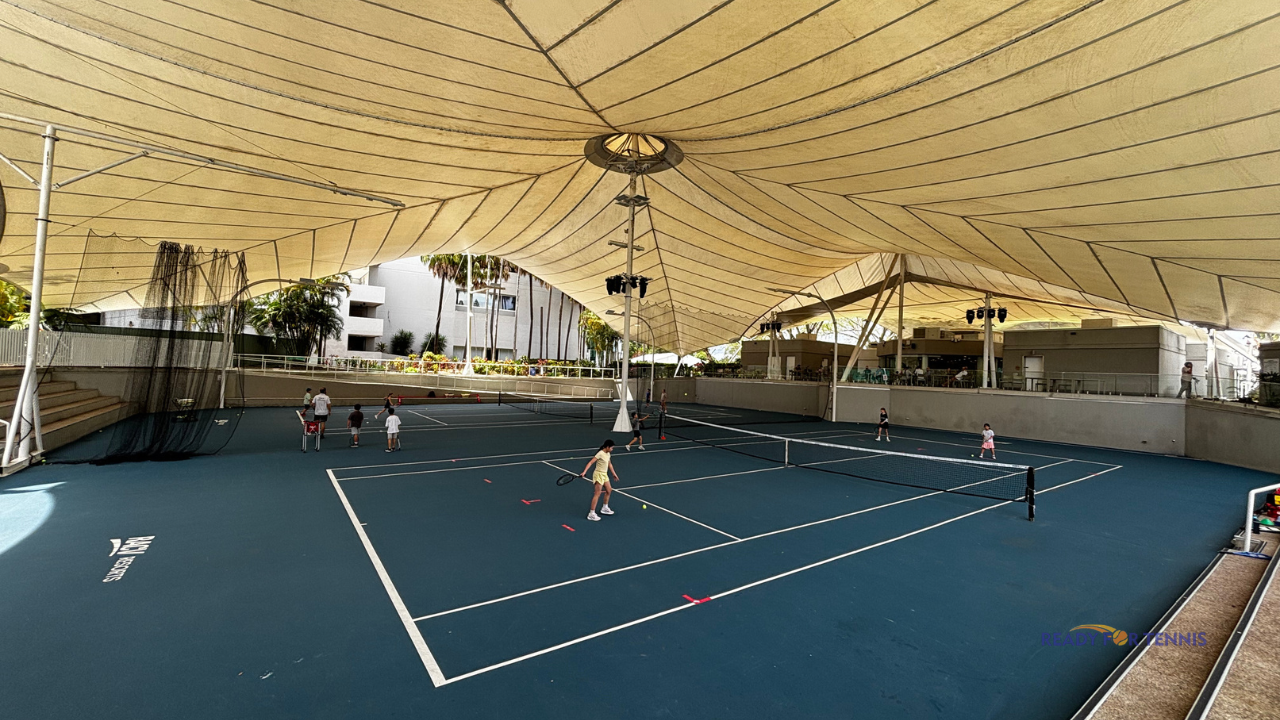
Keep a place for play
At Ready for Tennis, we want players to improve. We love seeing a new serve land, a rally grow longer and a player discover what they are capable of.
But beneath every technical goal sits something even more important.
We want people to want to come back.
Because tennis can be more than a lesson, a score or a season. It can become a place where a child grows in confidence, where an adult reconnects with themselves and where people of different ages continue to move, laugh and belong.
For younger players, the adults competing in events such as the Pan Pacific Masters Games show what can happen when movement remains part of life.
For adults, they offer an equally important reminder.
It is not too late to learn.
It is not too late to return.
It is not too late to find a version of tennis that fits the life and body you have today.
You do not age out of play.
Sometimes, you simply need to give yourself permission to begin again.